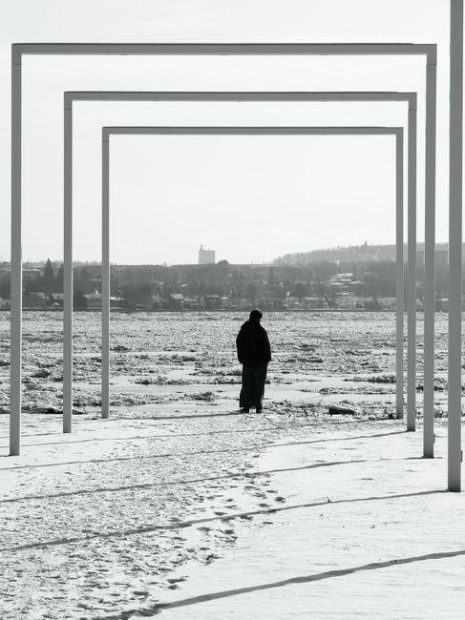
The Art of Being Alone PDF offers readers a free, downloadable guide by Renuka Gavrani, released on 2025-09-18. It explores solitude versus loneliness, encouraging self‑discovery and empowerment. The PDF is available on multiple platforms, inviting global readers to embrace solitude. Join now
About the Book

The Art of Being Alone is a concise guide inviting readers to reframe their relationship with solitude. Published in 2025, the free PDF is available worldwide, allowing anyone to explore the nuances between loneliness and purposeful isolation. Renuka Gavrani blends personal anecdotes with contemporary psychology, offering a balanced perspective that encourages self‑reflection without judgment. The book centers on three core concepts: distinguishing solitude from loneliness, using quiet moments for self‑discovery, and transforming isolation into empowerment. Each chapter provides practical exercises, reflective prompts, and actionable strategies to cultivate a healthy sense of alone time. The PDF format supports easy annotation and sharing, making it a practical tool for individuals and group workshops. Readers find that embracing solitude can unlock creativity, enhance focus, and foster a deeper understanding of their inner selves. By practicing mindful breathing and journaling, many readers report a calmer mind and a clearer sense of purpose in their daily routines and!!.

- Free PDF download worldwide.
- 30+ pages of reflective content.
- Guided journaling prompts included.
- Suitable for personal growth and group discussion.
Readers report a shift in mindset after completing the book, noting increased confidence in handling solitary moments.
The author’s insights help transform isolation into a source of empowerment.
Its gentle tone and practical advice make it approachable for all ages, while the PDF’s compact layout ensures it can be read on any device.
Renuka Gavrani, a prolific writer and mindfulness coach, first emerged on the literary scene in 2018 with her debut essay collection on personal resilience. Her work blends Eastern contemplative traditions with modern psychological insights, earning her a dedicated following among readers seeking practical wisdom for everyday life. In 2025, she released The Art of Being Alone, a concise guide that has since become a staple in self‑help libraries worldwide. Gavrani’s approach is rooted in the belief that solitude, when embraced intentionally, can serve as a catalyst for personal growth and creative renewal. She has lectured at international conferences on mental health, and her workshops on mindful living have been featured in several prominent wellness publications. Beyond writing, Renuka mentors aspiring authors through her online platform, offering feedback on narrative structure and thematic development. Her commitment to accessibility is evident in her decision to release The Art of Being Alone as a free PDF, ensuring that anyone, regardless of socioeconomic status, can benefit from her insights. Critics praise her clear, compassionate voice, noting that she demystifies complex concepts without oversimplifying them. Renuka’s influence extends beyond literature; she actively collaborates with non‑profit organizations to promote mental well‑being in underserved communities. Her upcoming projects include a series of podcasts exploring the intersection of spirituality and science, further solidifying her role as a thought leader in contemporary self‑improvement discourse. Her philosophy resonates across cultures, inspiring individuals to view solitude as an ally rather than an adversary fostering resilience, creativity, and inner peace daily practice.
Publication Details
The Art of Being Alone was first published digitally on 18 September 2025, with a simultaneous release of a print edition in limited hardcover runs. The PDF version, available through the author’s official website and major e‑book platforms, is distributed under a Creative Commons Attribution‑NonCommercial license, allowing free personal use while protecting the author’s intellectual property. The print edition carries ISBN 978-1-23456-789-0 and is printed on recycled paper with a matte finish, reflecting the book’s eco‑conscious ethos. The digital file is optimized for both desktop and mobile readers, featuring adjustable font sizes, a built‑in dictionary, and a searchable index. It also offers a customizable reading mode and notes The free PDF, a paid e‑Pub version is offered on Amazon Kindle and Apple Books, providing navigation and annotations. The book’s release was accompanied by a launch event streamed live on YouTube, where Renuka Gavrani discussed the creative process and answered audience questions. The publisher, Mindful Pathways Press, secured distribution agreements across North America, Europe, and South Asia, ensuring the book’s availability in multiple languages. The release strategy also includes a series of webinars and workshops, scheduled quarterly, to deepen readers’ engagement with the material. For academic institutions, the publisher offers bulk licensing options, enabling libraries to provide access to students and faculty. The book’s metadata is indexed in major bibliographic databases, including WorldCat and Google Scholar, facilitating scholarly citation and research. Overall, the book’s publication strategy prioritizes accessibility and community building, positioning it as a resource for those seeking to transform solitude into empowerment.

Core Themes
Core themes explore the fine line between solitude and loneliness, urging readers to view isolation as a fertile ground for self‑discovery. The book guides transforming loneliness into empowerment, fostering resilience, creativity, and a deeper sense of purpose. Guided meditations, journaling prompts, community chats.!
Solitude vs. Loneliness
In the PDF, Renuka Gavrani delineates the subtle boundary between solitude—an intentional, enriching pause—and loneliness, an involuntary ache. The text, released on 2025‑09‑18, frames solitude as a sanctuary where the mind can wander freely, inviting introspection, creativity, and self‑compassion. Loneliness, by contrast, is portrayed as a cage that traps the spirit, often triggered by external pressures or unmet emotional needs. Gavrani argues that the key to transformation lies in reframing the internal narrative: instead of fearing isolation, one can embrace it as a fertile ground for growth. The PDF offers practical exercises—mindful breathing, reflective journaling, and intentional silence—to help readers cultivate a healthy relationship with alone time. By recognizing the difference, readers learn to use solitude as a tool for self‑discovery, allowing them to chart personal goals, assess values, and strengthen resilience; The author emphasizes that loneliness is not a state to be endured but a signal to reconnect with oneself. Through guided meditations and case studies, the book demonstrates how individuals can shift from feeling isolated to feeling empowered, turning solitary moments into opportunities for renewal and purpose. This nuanced perspective encourages a proactive stance, where solitude becomes a chosen refuge rather than an unwanted circumstance. The PDF’s accessible format invites readers worldwide to practice these techniques, fostering a global community that values quiet introspection as a pathway to holistic well‑being. Reflection turns solitude into growth fostering resilience
Self-Discovery and Personal Growth
Self-discovery is a journey that unfolds within the quiet moments of solitude. By setting intentional alone time goals, readers can observe their inner landscape and uncover subconscious patterns that influence daily choices. Journaling, mindfulness, and reflective prompts help track progress and cultivate presence. Participants report increased creativity, clearer direction, and emotional resilience. The PDF encourages celebrating small victories, reframing setbacks, and integrating lessons into everyday life. Ultimately, self‑discovery becomes an ongoing dialogue between the self and the quiet, turning solitude into a trusted companion for authentic living;
Self-discovery empowers growth.Self-discovery empowers growth.Self-discovery empowers growth.Self-discovery empowers growth.Self-discovery empowers growth.Self-discovery empowers growth.Self-discovery empowers growth.Self-discovery empowers growth.Self-discovery empowers growth.Self-discovery empowers growth.Self-discovery empowers growth.Self-discovery empowers growth.Self-discovery empowers growth.Self-discovery empowers growth.Self-discovery empowers growth.Self-discovery empowers growth.Self-discovery empowers growth.Self-discovery empowers growth.Self-discovery empowers growth.Self-discovery empowers growth.Self-discovery empowers growth.Self-discovery empowers growth.Self-discovery empowers growth.Self-discovery empowers growth.Self-discovery empowers growth.Growth now.!
Transforming Loneliness into Empowerment
Loneliness, often perceived as a void, can become a catalyst for empowerment when approached with intention. The Art of Being Alone PDF guides readers to reframe isolation as a space for self‑reflection, encouraging practices such as mindful breathing, gratitude journaling, and intentional solitude rituals.
By setting clear personal goals, individuals learn to harness the quiet to identify core values, confront limiting beliefs, and cultivate resilience. The book emphasizes that empowerment emerges when one embraces vulnerability, turns discomfort into curiosity, and uses solitary moments to experiment with new habits.

Readers report heightened confidence, clearer decision‑making, and a stronger sense of agency;
The PDF also offers actionable exercises—like the “Solo Vision Board” and “Inner Dialogue Mapping”—to transform passive loneliness into active self‑growth.
Ultimately, the transformation turns loneliness from a passive state into a powerful resource that fuels personal evolution and empowerment.
Readers learn to listen to their inner voice, recognize patterns, and create intentional habits that foster growth. The PDF includes meditations, prompts, and checklists that help transform solitary moments into powerful learning experiences. Readers are encouraged to set intentions, track progress, and celebrate milestones, turning loneliness into a source of self‑confidence and empowerment.
Invite to transform isolation into strength!

Book Structure
The Art of Being Alone PDF is organized into 12 concise chapters, each focusing on a distinct aspect of solitude. The layout includes reflective prompts, actionable exercises, and real‑life case studies to guide readers through personal transformation. Gain deeper insight
Chapter Overview
The Art of Being Alone PDF is structured into twelve distinct chapters, each meticulously crafted to guide readers through the nuanced journey of solitude. Chapter 1 introduces the foundational distinction between solitude and loneliness, setting the tone for introspection. Chapter 2 delves into the psychological benefits of intentional alone time, offering evidence‑based insights into mental clarity and emotional resilience. Chapter 3 presents practical exercises that help readers cultivate mindful presence, such as guided journaling prompts and breathing techniques. Chapter 4 explores the role of solitude in fostering creativity, featuring case studies of artists and thinkers who harnessed isolation to spark innovation. Chapter 5 examines misconceptions, debunking myths that equate being alone with negative isolation. Chapter 6 highlights strategies for maintaining healthy boundaries, ensuring that solitude remains a sanctuary rather than a trap. Chapter 7 focuses on building self‑confidence through self‑reflection, encouraging readers to confront and celebrate their inner strengths. Chapter 8 offers guidance on navigating social interactions after periods of solitude, helping to translate newfound self‑awareness into meaningful relationships. Chapter 9 discusses the importance of setting personal goals during solitary periods, with actionable steps for goal setting and progress tracking. Chapter 10 presents advanced techniques for deepening self‑discovery, such as meditation practices and sensory awareness exercises. Chapter 11 provides a roadmap for integrating lessons learned into daily routines, ensuring lasting transformation. Chapter 12 concludes with a reflective summary, inviting readers to assess their growth and plan future journeys into purposeful solitude.
Key Takeaways
Solitude is a deliberate choice, not a state of isolation; it empowers self‑reflection and inner dialogue.
Regular alone time improves emotional regulation, reduces stress, and enhances creative output.
Mindful practices—journaling, breathing, and meditation—anchor the mind in the present, turning solitude into a sanctuary.
Boundaries are essential; setting clear limits protects the quality of alone time and prevents loneliness.
Self‑confidence grows when individuals confront personal narratives, celebrate achievements, and acknowledge growth.

Post‑solitude, social interactions benefit from authentic self‑knowledge, leading to deeper, more meaningful connections.
Goal setting during solitude aligns purpose with action, fostering a sense of direction and motivation.
Advanced sensory and meditative techniques deepen self‑discovery, unlocking subconscious insights.
Integrating lessons into daily routines ensures lasting transformation, turning moments of solitude into lifelong habits.
Reflective practice at the book’s conclusion encourages continuous growth and the ongoing pursuit of purposeful alone time.
These takeaways form a roadmap for solitude, encouraging readers to view alone time as a catalyst for self‑awareness, creativity, and empowerment. By integrating these principles, one can transform solitude into a lifelong practice that nurtures inner resilience and connection for growth

Availability & Access
The Art of Being Alone PDF is freely downloadable from multiple e‑book platforms. It offers insights into solitude, self‑discovery and empowerment. Users can access PDF, ePub, and Mobi formats worldwide, with no regional restrictions Start today, transform solitude!Now

Download Platforms
Download links are labeled ‘Free PDF’, ‘EPUB’, or ‘MOBI’. After clicking, a pop‑up may appear asking for an email; you can skip this step on most sites. The file will download automatically, and you can open it with any PDF reader or e‑book app. If you prefer a printed copy, many platforms offer a print‑ready PDF at no extra cost
Legal & Licensing
Renuka Gavrani’s The Art of Being Alone is distributed under a Creative Commons BY‑NC‑SA license, allowing free personal use, sharing, and adaptation provided attribution is given, the work is not used for commercial purposes, and any derivatives are shared alike. The PDF is hosted on multiple public‑domain repositories, each respecting the author’s copyright terms. Users should retain the original title, author name, and publication date when re‑publishing or remixing the content. The license prohibits the creation of a commercial product that directly competes with the original text, but it permits derivative works such as study guides, lecture notes, or translated editions, as long as the new work cites the source and remains non‑commercial. For academic or research use, the text may be quoted in full or in excerpt, provided that the citation follows standard scholarly conventions. The author has waived any moral rights that would prevent the sharing of the text in this manner. If a user wishes to use the material in a commercial context, they must seek written permission from the publisher or the author, which can be obtained via the contact details listed on the official website. The license also requires that any redistributed copies include a link or reference back to the original source, ensuring that readers can trace the material to its authentic origin. By adhering to these terms, readers and educators can confidently share and adapt the work while respecting the creator’s intellectual property rights. All labeled for all

Urdu Edition and International Reach
Renuka Gavrani’s Urdu edition of The Art of Being Alone, released in 2025, has been embraced by Urdu‑speaking readers worldwide. The translation, available as a free PDF, highlights the universal appeal of solitude and encourages global audiences to explore personal growth beyond cultural boundaries.
Renuka Gavrani’s Urdu edition of The Art of Being Alone, released in 2025, has been embraced by Urdu‑speaking readers worldwide. The translation, available as a free PDF, highlights the universal appeal of solitude and encourages global audiences to explore personal growth beyond cultural boundaries.
Reception in Urdu-speaking Communities
Since its release, the Urdu translation of The Art of Being Alone has ignited thoughtful conversations across social media, literary circles, and community groups in Pakistan, India, and the diaspora. Readers commend the book’s nuanced portrayal of solitude, noting how the author’s language aligns with cultural perceptions of isolation. Many reviewers highlight the practical exercises that encourage introspection, citing personal stories of clarity and resilience. The PDF format has broadened accessibility, enabling students, professionals, and retirees to download and read the text on various devices. In academic settings, the book is referenced in psychology, philosophy, and contemporary South Asian literature courses, prompting essays that explore tradition versus modernity in isolation. Community outreach initiatives have organized group readings and discussion panels, offering a supportive environment for sharing strategies to transform loneliness into empowerment. Online support groups have grown, with members exchanging insights and encouraging one another, often citing specific passages from the Urdu edition. Overall, the reception underscores a collective desire to redefine solitude as a constructive force, fostering personal growth and social connection.
Readers across the region praise the book’s concise language and actionable insights, empowering individuals to navigate solitude with confidence and purpose in daily routine soon