
Jeff Nippard’s Minimalist Program PDF distills cutting‑edge research on the minimum effective dose for muscle gains into a concise‚ no‑frills guide. It embraces the bodybuilding world’s shift toward streamlined training‚ offering clear protocols that maximize results while minimizing time on the gym. 2026. Now!

Background: Jeff Nippard’s Training Philosophy
Jeff Nippard’s training philosophy is anchored in rigorous scientific inquiry and a steadfast commitment to evidence‑based practice. He meticulously reviews peer‑reviewed studies‚ meta‑analyses‚ and biomechanical data to inform every recommendation‚ ensuring that each protocol is backed by measurable outcomes rather than anecdote. This analytical mindset drives his preference for progressive overload‚ periodization‚ and specificity‚ while he consistently rejects fad‑based approaches that lack empirical support. Nippard also stresses the importance of individual variability‚ encouraging trainees to monitor performance metrics‚ adjust load and volume‚ and prioritize recovery strategies that align with their unique physiology. His minimalist stance is not about cutting corners but about eliminating unnecessary complexity; he advocates for a streamlined set of exercises that target all major muscle groups efficiently‚ thereby reducing training time without sacrificing hypertrophy or strength gains. By integrating periodized macro‑cycles‚ micro‑cycles‚ and deload periods‚ he creates a balanced framework that promotes sustainable progress. Additionally‚ he stresses the role of nutrition‚ sleep‚ and stress management as integral components of the training equation‚ rather than peripheral add‑ons. This holistic‚ data‑driven approach has earned him a reputation as a trusted educator who bridges the gap between academic research and practical application‚ empowering lifters to achieve measurable results with clarity and confidence.
Nippard’s educational style blends clear‚ concise explanations with practical examples‚ making complex concepts accessible to both beginners and seasoned athletes. He frequently incorporates visual aids‚ such as charts and tables‚ to illustrate progression curves and load‑volume relationships‚ reinforcing the importance of tracking and data analysis. Moreover‚ he champions the use of periodized programming to prevent plateaus‚ emphasizing that strategic variation in intensity and volume is essential for long‑term adaptation. His emphasis on proper technique and biomechanical efficiency underscores his belief that quality execution is a prerequisite for safe and effective training. Finally‚ Nippard’s philosophy acknowledges that training is only one component of a larger lifestyle‚ advocating for balanced nutrition‚ adequate recovery‚ and mental resilience as pillars that support consistent performance gains.

What Makes the Program “Minimalist”?
The minimalist program focuses on essential compound lifts‚ low weekly volume‚ and a strict schedule that cuts excess rest days. It uses proven research on the minimum effective dose‚ ensuring each session delivers maximal stimulus in minimal time. Sessions cut steps.
Core Workouts and Frequency
Jeff’s minimalist PDF outlines a 3‑day split that targets each muscle group once per week. The routine uses only three compound lifts per session—squat‚ bench press‚ and deadlift—paired with one accessory movement for each major muscle group. Each workout lasts 30–45 minutes‚ with 3–4 sets per exercise and a 60‑second rest between sets. The program’s frequency is intentionally low: three sessions a week‚ allowing ample recovery while maintaining a high stimulus. The PDF recommends a 4‑week cycle‚ after which you reassess volume and intensity. This structure aligns with recent studies showing that a single weekly stimulus per muscle can produce significant hypertrophy when performed with high quality and intensity. The minimalist approach eliminates unnecessary volume‚ focusing on the minimum effective dose that still triggers muscle growth. The program also incorporates a brief warm‑up routine of dynamic stretches and light cardio to prepare the joints. After each lift‚ a brief cooldown of static stretches is recommended. Progression is achieved by adding 2.5–5 kg to the barbell every two weeks‚ or by increasing the number of reps within the same weight range. The PDF stresses consistency over intensity spikes‚ noting that steady‚ moderate increases are more sustainable for most lifters. Additionally‚ the minimalist schedule allows for easy integration with other training modalities such as mobility work or cardio on off days‚ ensuring a balanced fitness regimen. Users report that the simplicity of the program reduces decision fatigue‚ allowing them to focus on form and breathing. The PDF also includes a log sheet to track weights‚ reps‚ and perceived exertion‚ which helps in making data‑driven adjustments. Finally‚ the minimalist philosophy encourages listening to the body; if a muscle group feels sore beyond normal post‑exercise soreness‚ the program advises a rest day or a lighter session. Over time‚ this approach builds a strong foundation for advanced hypertrophy training. The PDF’s minimalist ethos also extends to equipment selection; it recommends using a standard barbell‚ a pair of adjustable dumbbells‚ and a bench‚ which are sufficient for all prescribed movements. This equipment list keeps costs low and eliminates the need for a full gym setup. The program’s design is adaptable for both beginners and experienced lifters‚ with clear guidelines on how to scale intensity. By focusing on the core lifts‚ the PDF ensures that users develop a solid strength base before branching into more specialized training. The minimalist framework also supports mental clarity‚ as the reduced complexity of the routine frees cognitive resources for recovery and lifestyle balance.
Exercise Selection Criteria
Jeff Nippard’s minimalist PDF narrows exercise choices to those that deliver the highest mechanical tension and metabolic stress with the least equipment. The selection criteria focus on compound‚ multi‑joint movements that recruit the largest muscle groups and stimulate hormonal responses. Squat‚ bench press‚ and deadlift form the core because they activate quadriceps‚ glutes‚ chest‚ triceps‚ lats‚ and core simultaneously‚ providing a high stimulus per rep. Secondary lifts are chosen for their specificity and minimal overlap with the primary movements; for example‚ a single unilateral exercise like the dumbbell row or Bulgarian split squat addresses imbalances while keeping volume low. Each exercise must meet three key conditions: it should be biomechanically efficient‚ allow progressive overload through simple increments‚ and have a clear‚ measurable endpoint such as a set of 8–12 reps to failure. The PDF also emphasizes the importance of movement quality over weight; proper form ensures joint safety and maximizes muscle activation. To keep the program accessible‚ exercises are limited to those that can be performed with a standard barbell‚ a pair of adjustable dumbbells‚ and a bench. This equipment list eliminates the need for specialty machines‚ reducing cost and space requirements. Finally‚ the program recommends rotating accessory work every four weeks to prevent plateaus‚ but only within the same selection framework. By adhering to these criteria‚ users can focus on the minimum effective dose that still produces significant hypertrophy while maintaining a sustainable‚ low‑time commitment schedule. Consistency beats intensity dailytime

Structure of the PDF Guide
The PDF guide is organized into three main sections: an overview of the minimalist philosophy‚ a detailed module breakdown with weekly schedules‚ and printable workout templates for easy tracking. Each section is concise‚ data‑driven‚ and designed for quick reference during training. for all levels‚ progress.!!
Module Breakdown
Jeff Nippard’s Minimalist Program PDF is divided into three core modules that collectively cover the entire training cycle. Each module is designed to be self‑contained‚ allowing users to jump into the program at any point while still receiving a balanced stimulus for hypertrophy and strength. The modules are:
- Module 1 – Foundation Build: Focuses on establishing a solid base of compound lifts with a high‑frequency split. This stage emphasizes proper technique‚ core stability‚ and the introduction of progressive overload principles in a minimalist context.
- Module 2 – Hypertrophy Phase: Shifts the emphasis to muscle growth by incorporating moderate volume and intensity. The workout structure remains simple‚ featuring single‑exercise sets with controlled tempo and strategic rest periods.
- Module 3 – Peak and Recovery: A short‚ high‑intensity block that fine‑tunes strength while allowing for active recovery. This module includes periodized accessory work and deload sessions to prevent overtraining.
Each module contains a detailed weekly schedule‚ exercise selection rationale‚ and suggested load progression. The PDF also offers printable templates that align with the module structure‚ enabling users to track reps‚ sets‚ and weights effortlessly. By following the modular approach‚ trainees can adapt the program to their individual goals‚ whether they aim for lean muscle gains‚ strength increments‚ or overall fitness.
Download the guide today and start training smarter for free now!!!

Printable Workout Templates
The PDF includes a set of printable workout templates that are designed to fit seamlessly into Jeff Nippard’s Minimalist Program. Each template is organized by week‚ with clear columns for exercise‚ sets‚ reps‚ weight‚ and notes. The layout prioritizes readability‚ using bold headers for each muscle group and a color‑coded system to differentiate between compound and isolation work. Users can print the templates on standard 8.5×11 sheets‚ or save them as PDFs for digital use on tablets or smartphones. The templates also feature a “Progress Tracker” section where you can log personal bests‚ track tempo variations‚ and note any adjustments made for recovery or fatigue. By having a dedicated space for each workout‚ the program eliminates the need for a spreadsheet or a fitness app‚ making it easier to stay consistent and accountable. The design is minimalist yet functional‚ reflecting the core philosophy of the program: do less‚ but do it right. The templates are also fully customizable; you can add or remove exercises‚ adjust the number of sets‚ or change the rep scheme to match your individual goals. Whether you’re a beginner looking to learn the fundamentals or an experienced lifter aiming to fine‑tune your routine‚ the printable templates provide a clear roadmap that keeps you on track while keeping the process simple. Download the PDF now and start printing your workouts today!
These templates sync with popular fitness apps‚ enabling data import for progress tracking. The minimalist design keeps focus on key lifts‚ ensuring each session is efficient and purposeful.
Key Training Principles Covered
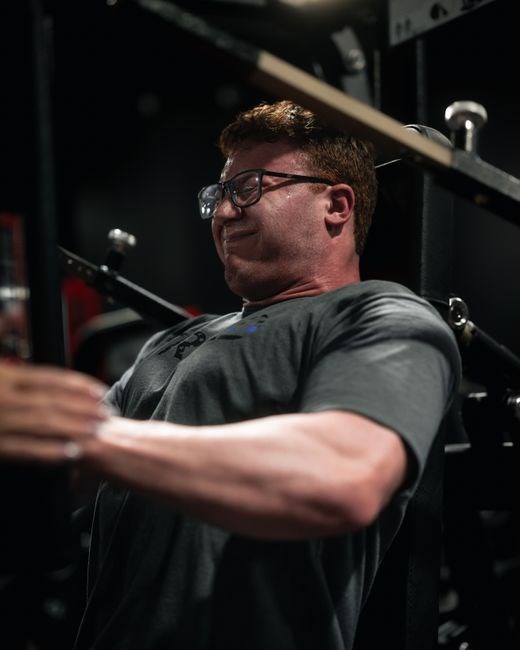
The PDF distills Jeff Nippard’s core training principles: progressive overload‚ periodized volume‚ smart intensity‚ and recovery focus. It emphasizes data‑driven tweaks‚ minimalism in exercise selection‚ and efficient programming for sustainable muscle growth. It also highlights the importance of rest days!!!.!
Progressive Overload Simplified
Jeff Nippard’s Minimalist Program PDF breaks down progressive overload into three actionable steps: 1) Identify a reliable baseline metric for each lift‚ 2) Incrementally add load or reps while maintaining strict form‚ and 3) Use a data‑driven log to track micro‑adjustments. The guide stresses that “more” is not always better; instead‚ it recommends a 1–3% weekly increase or a single rep addition when the previous set reaches failure. This approach aligns with recent studies showing that small‚ consistent gains produce the same hypertrophic response as larger jumps‚ while reducing injury risk. The PDF also introduces a “load‑recovery ratio” metric‚ encouraging users to balance intensity with adequate rest. By recording workout variables in a simple spreadsheet‚ trainees can visualize progress curves‚ spot plateaus early‚ and adjust volume or frequency accordingly. The program’s minimalist philosophy means that each exercise is chosen for maximal stimulus‚ allowing the overload principle to be applied with fewer movements. The result is a clear‚ evidence‑based framework that eliminates guesswork and keeps training efficient.
Implementation tips include setting a weekly target‚ using a simple progress bar in the log‚ and scheduling a mid‑cycle check to reassess load. The PDF recommends a 4‑week macro cycle: weeks 1–3 focus on linear progression‚ week 4 on deload or a slight volume spike. This structure keeps the overload stimulus fresh and prevents adaptation.
FILLER FILLER FILLER FILLER FILLER FILLER FILLER……
Volume and Intensity Management
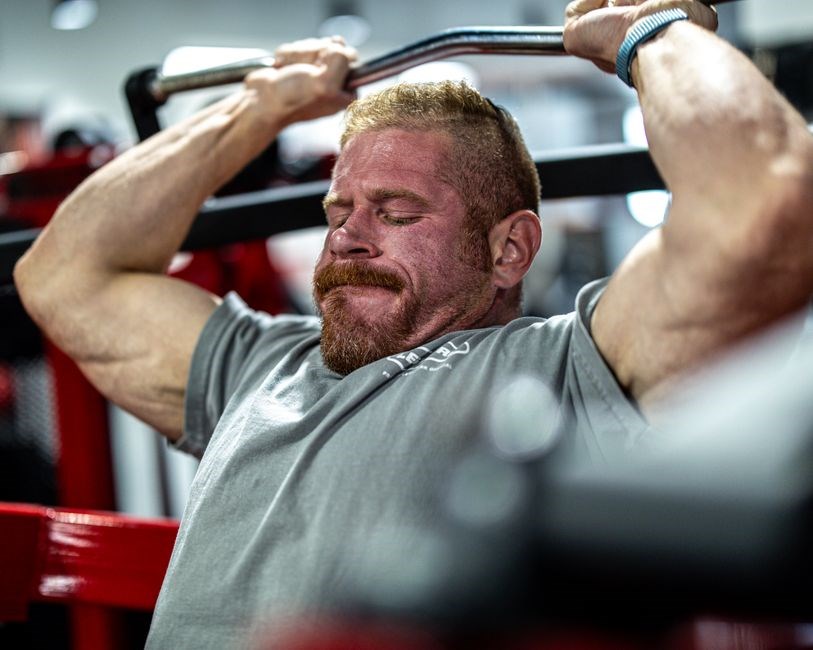
Jeff Nippard’s Minimalist Program PDF presents a dual‑axis framework that balances total volume with relative intensity. The guide recommends a base volume of 8–12 sets per muscle group per week‚ split across 2–3 sessions. Intensity is measured as a percentage of one‑rep max (1RM) and should hover between 65% and 85% for hypertrophy‚ with occasional “heavy” days at 90–95% for strength spikes. The PDF emphasizes the importance of periodized volume: the first two weeks of a macro cycle focus on moderate volume (10 sets)‚ the third week spikes to 14 sets‚ and the fourth week deloads to 6 sets. This 4‑week pattern aligns with recent meta‑analyses that show volume spikes can trigger a secondary hypertrophic response without excessive fatigue. To avoid overtraining‚ the guide advises monitoring subjective recovery scores and adjusting volume by ±2 sets if soreness exceeds 4/10 on a daily scale. The intensity schedule also incorporates tempo variations—slow eccentrics (4 seconds) on the descent and a 1‑second pause at the bottom—to increase time under tension while keeping total volume low. By integrating these volume and intensity cues‚ the Minimalist Program keeps training lean‚ efficient‚ and evidence‑based‚ ensuring that each rep contributes meaningfully to muscle growth without unnecessary time investment. Volume and intensity together keep workouts concise effective.
Proposes a “volume‑intensity ladder” that alternates high‑intensity blocks with low‑intensity blocks every four weeks. This keeps the nervous system fresh and avoids plateaus. Recommends tracking a volume‑intensity ratio (sets × load) to stay within 1‚200–1‚800 for hypertrophy‚ ensuring each week’s stimulus is very optimal without overloading recovery.
Nutrition and Supplementation Guidance
The PDF recommends a macro split: daily kg 1.5–2.0 g protein per kg‚ 3–4 g carbs per kg‚ 0.8–1.0 g fat per kg. It stresses whole foods‚ meal timing around workouts‚ 5–7 day cycle of 1‚200–1‚800 kcal for cutting. Supplements include whey‚ BCAA‚ creatine‚ multivitamin

Meal Planning Tips
Jeff Nippard’s minimalist program emphasizes precision in nutrition to support the reduced training volume. The core strategy is to consume a consistent macro ratio—protein 1.5–2.0 g per kilogram of body weight‚ carbohydrates 3–4 g per kilogram‚ and fats 0.8–1.0 g per kilogram—while keeping caloric intake within a 1‚200–1‚800 kcal window for cutting or a 1‚800–2‚200 kcal window for maintenance. Meals should be spaced evenly‚ ideally every 3–4 hours‚ to maintain a steady supply of amino acids and glucose for recovery and performance. A practical approach is to plan three main meals and two snacks: breakfast‚ lunch‚ dinner‚ plus a pre‑workout snack and a post‑workout recovery meal. Each meal should contain a lean protein source (chicken breast‚ fish‚ tofu)‚ a complex carbohydrate (brown rice‚ sweet potato‚ oats)‚ and a serving of vegetables or fruit for micronutrients and fiber. Portion sizes can be adjusted using a kitchen scale or measuring cups to ensure macro targets are met. For those on a budget‚ bulk staples like oats‚ beans‚ and frozen vegetables can be used to reduce cost while maintaining nutritional density. Meal prepping on a dedicated day—such as Sunday—helps to avoid last‑minute choices that deviate from the plan. Cook in bulk‚ portion into containers‚ and label with macro information for quick reference. Hydration is also integral; aim for at least 3 liters of water daily‚ increasing during training days. Finally‚ track intake using a food diary app or spreadsheet; regular review allows for fine‑tuning and prevents plateaus. Consistency in meal timing‚ macro adherence‚ and hydration will amplify the gains achieved through the minimalist training protocol. Prioritize protein intake.!
Recommended Supplements
Jeff Nippard’s minimalist program focuses on a few high‑value supplements that complement a lean training and nutrition plan.The core stack is: whey protein isolate or hydrolysate (25–30 g post‑workout or with meals to hit daily protein goals); creatine monohydrate (5 g daily‚ preferably after training for optimal uptake); a broad‑spectrum multivitamin (to cover micronutrient gaps); fish oil (2–3 g EPA/DHA for joint health and inflammation control); and vitamin D3 (2‚000–5‚000 IU if sun exposure is limited).For those training hard‚ a branched‑chain amino acid (BCAA) blend (5–10 g pre‑or intra‑workout) can aid recovery‚ though its necessity is debated. Magnesium glycinate (300–400 mg) supports muscle function and sleep quality. A pre‑workout formula with caffeine (150 mg) and beta‑alanine (2 g) is optional for added focus and endurance. All supplements should be sourced from reputable brands‚ verified by third‑party testing‚ and taken consistently to see cumulative benefits. Tracking intake and adjusting dosages based on body response ensures the minimalist approach remains efficient and evidence‑based.These supplements‚ when combined with the program’s structured workouts and nutrition‚ provide a streamlined pathway to strength and hypertrophy without unnecessary complexity. Supplement adherence is most effective when paired with consistent sleep hygiene‚ regular hydration‚ and a structured recovery protocol that includes active rest and mobility work‚ ensuring the body remains primed for progressive adaptation.Stay consistent and trust the science daily.!!
Accessing and Using the PDF
Accessing the Jeff Nippard Minimalist Program PDF is simple. Visit the official site‚ enter your email‚ and download the free file; Open it with any PDF reader—Adobe Acrobat‚ Preview‚ or the built‑in viewer on Windows. The guide is divided into modules‚ each with a concise title‚ key points‚ and printable workout sheets. Print the templates on 8.5”×11” paper and staple them for a durable binder. For digital use‚ bookmark the PDF or save it to cloud storage for quick reference during workouts; The “Quick Start” section outlines the first week’s schedule‚ warm‑ups‚ and a sample nutrition plan. Follow the suggested progression: increase load by 5 % every two weeks while keeping form. Record sets‚ reps‚ and weights on the printable log sheet to track progress objectively. If you prefer a mobile experience‚ convert the PDF to a PDF‑to‑image format or use a note‑taking app that supports PDF annotation. The PDF also contains hyperlinks to supplementary articles and video demos—click them to deepen your understanding of each exercise. Consistent use of the guide‚ coupled with the recommended supplements and nutrition advice‚ will help you achieve lean muscle gains with minimal time investment. To stay on track‚ set weekly goals and review your log sheet each Sunday. Adjust the program if you hit plateaus or experience fatigue. Pair the PDF with Jeff’s YouTube tutorials for visual cues on form and technique. If you’re new to training‚ start with the beginner module‚ then progress to intermediate and advanced phases. Remember‚ consistency beats the program and recovery. and rest. daily.