
The Bloody Chamber PDF: A Comprehensive Guide (Updated 02/27/2026)
Finding a reliable PDF of Angela Carter’s collection requires caution; legitimate sources exist, offering access to this influential work for scholarly and personal enjoyment.
Angela Carter’s The Bloody Chamber and Other Stories, published in 1973, remains a cornerstone of feminist and postmodern literature. This collection brilliantly reimagines classic fairy tales, injecting them with a potent blend of gothic horror, eroticism, and psychological depth. Carter doesn’t simply retell these stories; she dissects them, exposing the underlying power dynamics and challenging traditional narratives.
The collection’s enduring appeal lies in its exploration of female desire, violence, and the complexities of identity. Carter’s prose is lush and evocative, creating a uniquely unsettling atmosphere. Readers seeking a digital version – a PDF – often do so for academic study, literary analysis, or simply to experience Carter’s captivating storytelling. However, accessing a safe and legal PDF requires careful consideration, as detailed further in this guide.
What is “The Bloody Chamber and Other Stories”?
This collection is a masterful reworking of familiar fairy tales – “Bluebeard,” “Little Red Riding Hood,” “Beauty and the Beast,” and others – filtered through Angela Carter’s distinctive, darkly imaginative lens. Rather than offering simple retellings, Carter subverts expectations, exposing the often-brutal realities hidden beneath the surface of these seemingly innocent narratives.
The stories delve into themes of sexuality, power, and the female experience, frequently employing gothic and grotesque imagery. The PDF format allows for convenient access to these ten stories, facilitating close reading and analysis. Carter’s work is celebrated for its intertextuality, drawing connections between folklore, literature, and psychoanalytic theory. Finding a reliable PDF ensures access to this influential and critically acclaimed work.
Availability of the PDF Version
Locating a PDF version of “The Bloody Chamber and Other Stories” requires careful consideration. While readily available through various online platforms, ensuring a legitimate source is crucial to avoid copyright infringement and potential malware. Several academic databases and online libraries may offer access to the PDF for research purposes.
However, downloading from unverified websites carries risks. Legitimate sources often require subscription or purchase, while free downloads may be illegal or compromised. Readers should prioritize legal and secure options to fully appreciate Carter’s work. Accessing the PDF allows for portable reading and detailed study of this significant literary collection.

Exploring the Stories Within
Carter’s collection reimagines classic fairy tales—like Bluebeard, Red Riding Hood, and Beauty and the Beast—with dark, feminist, and often unsettling twists and turns.
“The Bloody Chamber” ― A Retelling of Bluebeard
This titular story masterfully deconstructs the traditional tale of Bluebeard, shifting the narrative perspective to the young bride. Carter’s version delves into the psychological complexities of the protagonist, exploring themes of female sexuality, power, and the dangers inherent in patriarchal structures.
The narrative isn’t simply a retelling; it’s a radical reimagining. The chamber itself becomes a potent symbol, representing both confinement and a terrifying, yet strangely alluring, space of discovery. The bride’s exploration isn’t driven by mere curiosity, but by a desperate need to understand her husband and her own place within his world.
Unlike the original, Carter’s bride survives, albeit profoundly changed by her experience. The story challenges conventional notions of victimhood and agency, leaving readers to question the nature of liberation and the lasting impact of trauma. It’s a chilling and thought-provoking exploration of a familiar myth.
“The Courtship of Mr. Lyon” ౼ A Beastly Transformation
Inspired by “Beauty and the Beast,” this story presents a darkly erotic and unsettling take on the classic fairytale. Mr. Lyon, a wealthy man transformed into a lion, embodies both primal power and vulnerability. The narrative focuses on the young woman, Beauty, and her complex relationship with this beastly figure, exploring themes of desire, control, and the blurring lines between human and animal.
Carter subverts the traditional romantic narrative, emphasizing the physicality and often unsettling nature of their courtship. The story delves into the psychological impact of the transformation on both characters, questioning societal expectations of beauty and masculinity.
The tale is a potent exploration of repressed desires and the allure of the forbidden, challenging readers to confront their own preconceptions about love and monstrosity. It’s a disturbing, yet captivating, reimagining of a beloved fairytale.
“The Werewolf” ౼ Exploring Animalistic Desires
This story masterfully dissects the concept of repressed sexuality and the untamed, animalistic instincts lurking beneath the surface of societal norms. Carter’s werewolf isn’t a monstrous figure of horror, but a symbol of burgeoning female desire and the anxieties surrounding it. The narrative centers on a young girl’s fascination with a man who transforms into a wolf, representing a liberation from restrictive Victorian morality.
The transformation itself is depicted as a painful, yet empowering, process, mirroring the challenges of female adolescence and sexual awakening. Carter uses vivid imagery and unsettling prose to explore the duality of human nature, blurring the boundaries between civilization and savagery.
Ultimately, “The Werewolf” is a provocative examination of power dynamics and the reclaiming of primal instincts.
“Wolf-Alice” ౼ A Feral Childhood
Carter’s “Wolf-Alice” presents a haunting exploration of identity formation and the societal constraints imposed upon women. The story reimagines the tale of Little Red Riding Hood, portraying Alice as a girl raised by wolves, existing outside the confines of human civilization. Her feral upbringing symbolizes a rejection of patriarchal norms and a connection to untamed nature.
Alice’s journey back into human society is fraught with discomfort and alienation, as she struggles to adapt to restrictive clothing, language, and expectations. The narrative highlights the damaging effects of socialization and the loss of innocence that accompanies it.
Through Alice’s perspective, Carter critiques the artificiality of societal conventions and celebrates the power of instinct and self-discovery.

Themes and Motifs
Central themes include violence, sexuality, and power dynamics, alongside the subversion of traditional fairy tales, all presented through gothic and grotesque imagery.
Violence and Sexuality
Carter’s stories unflinchingly explore the intertwined nature of violence and sexuality, often presenting them not as opposing forces, but as deeply connected aspects of power and desire. The collection doesn’t shy away from graphic depictions, challenging conventional notions of romance and female passivity.
The “Bloody Chamber” itself, a reimagining of Bluebeard, is a prime example, showcasing both physical brutality and intense eroticism. This exploration extends to other tales, like “The Courtship of Mr. Lyon,” where transformation is linked to both bestial urges and sexual dominance.
Furthermore, Carter uses these themes to critique patriarchal structures and the ways in which women are often objectified and controlled. The stories aren’t simply sensationalistic; they are a deliberate attempt to dismantle traditional narratives and expose the dark undercurrents of societal expectations.
Power Dynamics and Gender Roles
Angela Carter’s collection profoundly dissects power dynamics and traditional gender roles, presenting a world where these constructs are frequently inverted or challenged. Male characters often embody controlling and predatory behaviors, while female characters navigate complex situations of vulnerability and agency.
The stories consistently question the passive roles historically assigned to women in fairy tales and literature. Carter’s heroines are rarely damsels in distress; they are active participants in their own fates, even if those choices lead to dangerous or unsettling outcomes.
“The Courtship of Mr. Lyon,” for instance, explores a power imbalance within a marriage, while “The Bloody Chamber” deconstructs the Bluebeard myth, giving the bride a voice and a degree of control. Carter’s work ultimately aims to expose and subvert patriarchal structures.
The Subversion of Fairy Tales
Carter’s collection is renowned for its deliberate and radical subversion of classic fairy tales. She doesn’t simply retell these stories; she dismantles them, exposing their underlying darkness and challenging their conventional moralities. Familiar narratives like “Bluebeard,” “Little Red Riding Hood,” and “Beauty and the Beast” are reimagined with a distinctly feminist and often unsettling edge.
The author frequently inverts tropes, giving voice to marginalized characters and exploring the psychological complexities of both victims and villains. This process reveals the often-violent and oppressive foundations upon which these seemingly innocent tales are built.
By re-writing these archetypes, Carter critiques societal norms and expectations, prompting readers to question the narratives they’ve been told since childhood. The PDF allows easy access to these deconstructed stories.
The Gothic and the Grotesque
Carter’s writing masterfully blends elements of the Gothic and the grotesque, creating an atmosphere of unsettling beauty and psychological tension throughout “The Bloody Chamber and Other Stories.” The PDF version readily showcases this stylistic approach. Expect vivid imagery, often bordering on the macabre, and a preoccupation with themes of decay, confinement, and repressed desire.
The stories frequently feature decaying castles, claustrophobic chambers – the titular “Bloody Chamber” itself being a prime example – and characters marked by physical or psychological abnormalities. This aesthetic isn’t merely for shock value; it serves to expose the hidden horrors beneath the surface of societal respectability.
The grotesque, in particular, functions as a means of challenging conventional notions of beauty and normalcy, forcing readers to confront uncomfortable truths about the human condition.

Literary Analysis
A detailed PDF study reveals Carter’s innovative use of language, symbolism, and intertextuality, profoundly reshaping classic fairy tales with feminist and gothic elements.
Carter’s Use of Language and Imagery
The PDF version of “The Bloody Chamber” showcases Carter’s masterful command of language, blending lush, descriptive prose with stark, unsettling imagery. She deliberately employs a heightened, almost baroque style, rich in sensory detail, to create a powerfully evocative atmosphere. This stylistic choice isn’t merely aesthetic; it actively contributes to the collection’s exploration of themes like sexuality, violence, and power.
Carter frequently utilizes vivid metaphors and similes, often drawing from the natural world, but twisting them to suggest something darker and more dangerous. The imagery within the PDF is frequently gothic and grotesque, mirroring the disturbing content of the stories. Analyzing the PDF allows readers to closely examine how Carter subverts traditional fairytale tropes through her deliberate linguistic choices and unsettling visual descriptions, ultimately challenging conventional narratives.
Symbolism in “The Bloody Chamber”
The PDF of “The Bloody Chamber” reveals a rich tapestry of symbolism, central to understanding Carter’s deconstruction of fairy tales. The titular chamber itself, repeatedly appearing throughout the collection within the PDF, functions as a potent symbol of female confinement, sexual awakening, and potential transformation. Blood, naturally, is a pervasive symbol, representing both violence and vitality, often intertwined.
Furthermore, animals – wolves, lions, and beasts – frequently symbolize repressed desires and primal instincts. Accessing the PDF allows for detailed analysis of how these symbols shift and evolve across different stories, reflecting Carter’s complex exploration of power dynamics and gender roles. The PDF format facilitates close reading, uncovering layers of meaning embedded within Carter’s evocative imagery and narrative structures.
Intertextuality and Folklore Connections
The “Bloody Chamber” PDF showcases Carter’s masterful use of intertextuality, deeply rooted in folklore and literary tradition. The collection reimagines classic fairy tales – Bluebeard, Little Red Riding Hood, Beauty and the Beast – drawing explicit connections to their original forms. A digital PDF copy allows readers to easily cross-reference these allusions, enhancing comprehension of Carter’s subversive intent.
Carter doesn’t simply retell these stories; she dissects them, exposing patriarchal structures and challenging conventional morality. The PDF facilitates tracing these connections, revealing how Carter engages with archetypes and motifs. Examining the PDF highlights her deliberate engagement with Hansel and Gretel, alongside other legends, creating a complex web of literary and cultural references.
The Role of the Narrator
A PDF version of “The Bloody Chamber” allows focused study on Carter’s innovative narrative techniques, particularly the crucial role of the narrator. Often a first-person perspective, the narrators are frequently unnamed, young women navigating dangerous and unsettling situations. Accessing the text digitally enables close reading of their voices, revealing unreliable accounts and subjective interpretations of events.

The PDF format supports detailed analysis of how Carter employs the narrator to explore themes of female sexuality, power dynamics, and the subversion of traditional fairy tale tropes. The narrators’ evolving consciousness and their often-ambiguous relationship with reality are central to the collection’s impact. Studying the PDF facilitates tracing shifts in narrative voice and uncovering hidden layers of meaning.
The Bloody Chamber as a Symbol

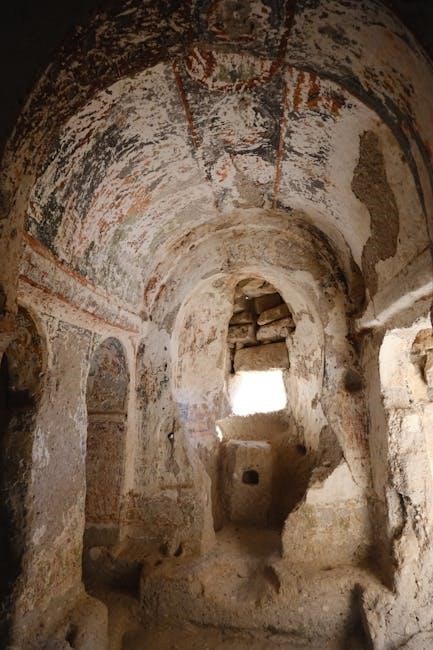
A PDF copy unlocks deeper exploration of the chamber itself – a potent symbol of confinement, transformation, and the complex landscape of female desire and enlightenment.
The Chamber as a Space of Confinement
Within the digital pages of a “Bloody Chamber” PDF, the symbolic weight of the chamber as a space of confinement becomes strikingly apparent. The stories frequently depict rooms – the titular chamber itself, but also castles and isolated dwellings – as locations where female characters are physically and psychologically restricted.
Accessing the text through a PDF allows for focused analysis of how Carter utilizes these enclosed spaces to represent societal constraints placed upon women. The chamber isn’t merely a physical location; it embodies limitations imposed by patriarchal structures, expectations, and the dangers lurking within domesticity.
The PDF format facilitates close reading of descriptions emphasizing locked doors, hidden passages, and the characters’ feelings of entrapment. It’s a space where power imbalances are starkly revealed, and the characters grapple with their lack of agency, making the PDF a crucial tool for understanding this central motif.
The Chamber as a Site of Transformation
A “Bloody Chamber” PDF reveals how the chamber functions not solely as a prison, but as a catalyst for profound transformation. Within its walls, characters confront their deepest fears and desires, undergoing unsettling yet empowering changes.
The digital accessibility of the PDF allows readers to meticulously trace the narrative arcs where characters are stripped bare – of innocence, illusions, and societal expectations – and rebuilt in new forms. This transformation isn’t always positive; it can be violent and disturbing, mirroring the grotesque elements of the tales.
Through careful examination within the PDF, one can observe how the chamber facilitates a confrontation with the self, leading to a redefinition of identity and a challenging of conventional roles. It’s a space where the boundaries between victim and perpetrator blur, and agency is reclaimed, often through unsettling means.
The Chamber and Female Sexuality
Accessing the “Bloody Chamber” PDF unveils how Carter intricately links the chamber to explorations of female sexuality, often challenging Victorian repression and patriarchal control. The enclosed space becomes a symbolic representation of the female body and its desires, presented with unflinching honesty.
The PDF allows detailed analysis of how the chamber’s imagery – blood, confinement, and vulnerability – intersects with themes of sexual awakening, agency, and the dangers women face. Carter subverts traditional fairy tale tropes, reclaiming narratives and giving voice to female experiences often silenced or distorted.
Through the stories, readily available in the PDF format, the chamber embodies both the potential for liberation and the threat of exploitation, forcing a confrontation with societal expectations surrounding female sexuality and power dynamics.
The Chamber Representing Enlightenment
The “Bloody Chamber” PDF reveals how, paradoxically, the chamber isn’t solely a space of confinement or terror, but also a catalyst for enlightenment and self-discovery. While initially representing oppression, the chamber forces characters – particularly the female protagonists – to confront their fears and societal conditioning.
Through navigating the chamber’s darkness, both literally and metaphorically, characters gain a deeper understanding of their own desires, vulnerabilities, and potential for agency. The PDF facilitates close reading of how Carter uses the chamber to symbolize a journey towards psychological and sexual liberation.
Accessing the text in PDF format allows for detailed examination of how confronting the ‘bloody’ aspects leads to a form of knowledge and empowerment, ultimately challenging the restrictive norms of the time.
Finding and Accessing the PDF
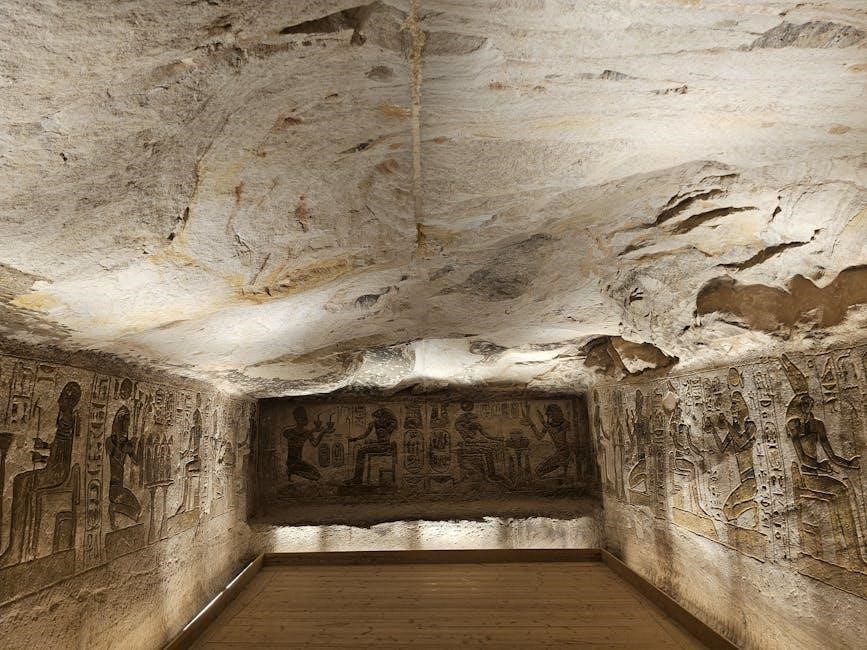
Locating a “Bloody Chamber” PDF demands careful source evaluation; prioritize legitimate platforms to avoid copyright issues and potential malware risks during download.

Legitimate Sources for the PDF
Accessing Angela Carter’s “The Bloody Chamber and Other Stories” legally often involves purchasing the ebook through reputable online retailers. Platforms like Google Play Books and Amazon Kindle frequently offer digital versions for sale, ensuring a secure and copyright-compliant reading experience. University libraries with digital collections may also provide access to the PDF for students and researchers.
Furthermore, some academic databases, accessible through institutional subscriptions, could contain the text. Checking online bookstores directly, such as those specializing in literary works, is another viable option. Always verify the source’s authenticity before downloading to protect your device and respect intellectual property rights. Remember that freely available PDFs from unverified websites carry significant risks.
Potential Risks of Downloading from Unverified Sources
Downloading “The Bloody Chamber” PDF from unofficial websites poses substantial risks. These sources frequently harbor malware, viruses, and other malicious software that can compromise your device and personal data. Illegally obtained PDFs often have poor formatting, missing pages, or are simply incomplete, hindering the reading experience.
Moreover, accessing copyrighted material without authorization is illegal and unethical, potentially leading to legal repercussions. Unverified sites may also engage in phishing scams, attempting to steal your financial information. Prioritize legitimate platforms to ensure a safe and quality reading experience, protecting both your digital security and respecting the author’s copyright.
Copyright Considerations
“The Bloody Chamber and Other Stories” remains protected by copyright law, even in digital PDF format. Downloading or distributing unauthorized copies constitutes copyright infringement, carrying potential legal consequences for both individuals and institutions. Respecting Angela Carter’s intellectual property is crucial; supporting the author and publisher through legitimate purchases ensures continued literary creation.
Accessing the work through authorized channels – such as purchasing a licensed PDF, borrowing from a library, or utilizing subscription services – upholds ethical standards and legal requirements. Public domain status has not yet been reached for this collection, reinforcing the importance of respecting copyright restrictions when seeking a digital copy.
Alternative Reading Formats
Beyond the PDF, “The Bloody Chamber and Other Stories” is widely available in various formats to suit diverse reading preferences. Physical copies, including paperback and hardcover editions published by Vintage, offer a traditional reading experience. Digital ebook formats, such as EPUB and Kindle (AZW), are compatible with most e-readers and tablets, providing portability and adjustable font sizes.
Audiobook versions present another engaging option, allowing listeners to experience Carter’s prose through narration. Online reading platforms and digital libraries may also offer access to the text. Exploring these alternatives ensures accessibility regardless of technological limitations or personal preferences, broadening the reach of Carter’s captivating storytelling.
Critical Reception and Legacy
Initially met with diverse reviews, Carter’s collection quickly gained recognition for its innovative style and feminist themes, influencing contemporary literature profoundly.
Initial Reviews of the Collection
Upon its 1973 publication, The Bloody Chamber and Other Stories garnered a spectrum of critical responses. Some reviewers were captivated by Carter’s daring reimagining of classic fairy tales, praising her lush prose and subversive exploration of sexuality and power. Others found the collection’s graphic content and unsettling atmosphere disturbing, questioning its artistic merit.
Early commentary frequently focused on Carter’s deliberate dismantling of traditional narrative structures and her challenge to conventional gender roles. Critics noted her skillful blending of gothic horror, eroticism, and folklore, creating a uniquely unsettling and thought-provoking reading experience. The collection’s impact wasn’t immediate widespread acclaim, but rather a growing recognition of its innovative approach to storytelling and its lasting influence on feminist literary criticism. The PDF format, while later facilitating wider access, didn’t alter these initial assessments.
Carter’s Influence on Contemporary Literature
Angela Carter’s The Bloody Chamber has profoundly impacted contemporary writers, particularly those engaging with magical realism, feminist themes, and genre subversion. Her bold revisioning of fairy tales paved the way for authors to reclaim and reimagine traditional narratives, challenging patriarchal structures embedded within them.
The collection’s influence extends to writers exploring dark fantasy, gothic fiction, and experimental prose. Carter’s stylistic innovations – her lyrical language, unsettling imagery, and blending of high and low culture – continue to inspire. The accessibility of the PDF version has undoubtedly broadened her readership, amplifying her impact on subsequent generations of authors. Her work encourages a critical examination of storytelling conventions and the power of narrative to shape perceptions, solidifying her legacy as a literary innovator.
Scholarly Articles and Essays on “The Bloody Chamber”
Numerous academic analyses dissect The Bloody Chamber, exploring its complex themes and stylistic features. Scholarly work frequently examines Carter’s feminist critique, deconstruction of fairy tale tropes, and exploration of sexuality and violence. Access to the PDF version facilitates research, allowing students and academics to readily engage with the text.
Essays delve into the collection’s intertextuality, tracing connections to folklore, gothic literature, and psychoanalytic theory. Investigations into Carter’s use of language, symbolism, and narrative structure are abundant. Databases and online journals host a wealth of critical perspectives, furthering understanding of the collection’s enduring significance. The readily available PDF aids in the continued scholarly engagement with Carter’s groundbreaking work.
The Collection’s Continued Relevance Today
Angela Carter’s The Bloody Chamber maintains potent relevance, resonating with contemporary discussions surrounding gender, power, and representation. Its subversive reimagining of fairy tales continues to inspire writers and artists, challenging traditional narratives and exploring darker psychological landscapes. The accessibility of the PDF version ensures the collection reaches new audiences, fostering ongoing dialogue.
The stories’ exploration of female agency and sexuality remains particularly impactful in modern feminist discourse. The Bloody Chamber prompts critical examination of societal norms and the enduring legacy of patriarchal structures. Its gothic sensibilities and exploration of the grotesque also align with current literary trends. Having the PDF readily available promotes continued study and appreciation of Carter’s visionary work.