
Jacob chapter 5 presents a profound allegory‚ recorded from the Brass Plates by Jacob‚ detailing the history of Israel through a vineyard and olive tree narrative.
President Smith deemed it a remarkable parable‚ spanning seventy-seven verses‚ illustrating the tree’s progression and its offspring’s fate within the Lord’s vineyard.
Historical Context of Jacob 5
Jacob 5 originates within a specific historical framework‚ deeply rooted in the ancient records preserved on the Brass Plates. Zenos‚ a prophet of old‚ initially delivered this allegory‚ and Jacob faithfully transcribed it for the benefit of his people.
This context is crucial‚ as the allegory wasn’t a spontaneous creation but a carefully preserved prophetic account. The Brass Plates themselves represent a tangible link to the covenant people’s heritage and divine guidance. Understanding this origin illuminates the allegory’s purpose: to explain the history of the House of Israel‚ offering insights into their past‚ present‚ and future.
The narrative’s preservation underscores its enduring significance.
Zenos as the Original Author
Zenos holds a pivotal position as the original author of the Allegory of the Olive Tree. He was an ancient prophet whose teachings were meticulously recorded on the Brass Plates‚ serving as a foundational source for later scriptures.
Jacob‚ recognizing the profound wisdom within Zenos’s work‚ carefully preserved and shared it with his audience. While Jacob is the recorder‚ the prophetic voice and initial inspiration belong to Zenos. This authorship emphasizes the allegory’s divine origin and its place within a lineage of prophetic revelation.
Acknowledging Zenos highlights the enduring power of ancient prophets.
The Source of the Allegory: Brass Plates
The Allegory of the Olive Tree originates directly from the Brass Plates‚ a collection of ancient records containing the history and prophecies of God’s dealings with ancient Israel. Jacob meticulously transcribed this allegory from these plates‚ preserving Zenos’s inspired teachings for future generations.
The Brass Plates represent a vital link to the past‚ offering invaluable insights into the covenant relationship between God and His people. Access to these plates‚ obtained by Lehi and his family‚ allowed them to understand their heritage and God’s plan.
The plates’ authenticity underscores the allegory’s divine authority.
Key Characters in the Allegory
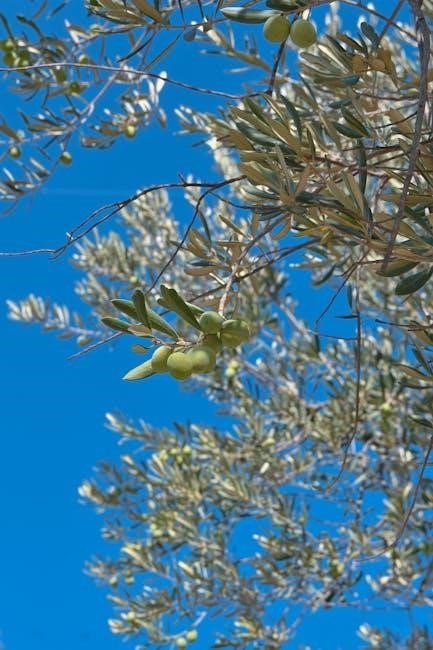
The allegory features central figures: the Lord of the vineyard (Jesus Christ)‚ a Servant representing prophets‚ the Olive Tree (Israel)‚ natural branches‚ and wild branches.
The Lord of the Vineyard (Jesus Christ)
The Lord of the vineyard embodies Jesus Christ‚ the ultimate caretaker and owner of His covenant people‚ represented by the olive tree. He expresses deep concern when the tree begins to decay and produce only sour fruit‚ demonstrating His love and desire for its flourishing.
Throughout the allegory‚ He directs the Servant‚ providing instructions for pruning‚ digging‚ and nourishing the tree‚ signifying His divine plan for Israel’s restoration. His patient observation and repeated interventions highlight His unwavering commitment to His chosen people and His ultimate purpose for their salvation.
The Servant (Representing Prophets/Leaders)
The Servant within the allegory powerfully symbolizes the prophets and leaders called by the Lord to tend to His vineyard – the house of Israel. He diligently carries out the Master’s instructions‚ laboring to prune‚ dig‚ and nourish the olive tree‚ representing the ongoing work of guiding and strengthening the covenant people.
The Servant’s repeated visits to assess the tree’s progress and report back to the Lord illustrate the prophetic role of observation‚ evaluation‚ and communication. He acts as an intermediary‚ faithfully executing the divine will and striving to bring about positive change within the vineyard.
The Olive Tree (House of Israel)
The central image of the allegory‚ the olive tree‚ profoundly represents the house of Israel‚ both in its original covenant state and throughout its subsequent history. Initially found in a state of decay and barrenness‚ the tree embodies the spiritual condition of the Israelites at various times‚ facing challenges and needing restoration.
The Master’s focused efforts to prune‚ dig‚ and nourish the tree symbolize God’s persistent love and commitment to His people‚ despite their imperfections. The tree’s eventual production of fruit signifies the blessings that come through faithfulness and obedience to the covenant.
The Natural Branches (Covenant Israel)
Within the allegory‚ the natural branches distinctly symbolize the original covenant people – the children of Israel who initially comprised the olive tree. These branches represent those who were born into the covenant and enjoyed the blessings associated with it from the beginning.
However‚ the narrative reveals that many of these natural branches become lost or unproductive‚ signifying apostasy and a departure from God’s commandments. Their condition highlights the importance of continuing faithfulness and the potential for losing covenant blessings through unrighteousness.
The Wild Branches (Gentiles)
The allegory portrays the wild branches as representing the Gentiles – those not of the original covenant of Israel. Initially considered outside the olive tree‚ they symbolize those who were previously estranged from the blessings of the covenant.
Through the grafting process‚ these wild branches are brought into the tree‚ signifying their acceptance into God’s covenant people through faith in Jesus Christ. This inclusion demonstrates the Lord’s expansive love and His desire to extend blessings to all mankind‚ not just those of a specific lineage.
The Vineyard and its Condition
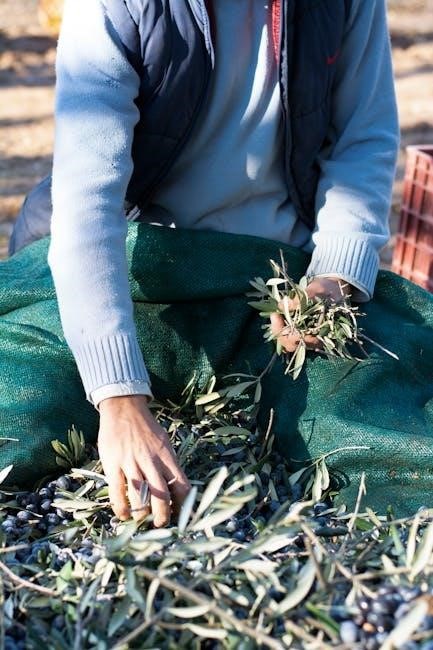
Initially‚ the Lord’s vineyard and olive tree are found in a state of decay and barrenness‚ prompting the Master’s concern and necessitating diligent intervention and care.
Initial State of Decay and Barrenness
The allegory begins with a disheartening depiction of the vineyard’s primary tree‚ the olive tree‚ existing in a condition of significant decline. It is described as being withered‚ broken‚ and largely unproductive‚ yielding only “wild grapes” and “sour grapes.”
This initial state symbolizes the spiritual condition of the house of Israel – a people straying from the covenant path and failing to produce the fruits of righteousness. The tree’s barrenness represents a lack of spiritual vitality and a departure from God’s commandments‚ necessitating immediate and focused attention from the Master.
The Master’s Concern and Intervention
Witnessing the olive tree’s deteriorated state‚ the Lord of the vineyard expresses deep concern and immediately initiates a plan for its restoration. He declares His intent to “prune the tree‚ and dig about it‚ and nourish it‚” demonstrating proactive care and a desire for its renewed productivity.
This intervention signifies God’s unwavering love and commitment to His covenant people‚ even in their times of spiritual weakness. The Master’s actions aren’t punitive‚ but restorative‚ aimed at revitalizing the tree and enabling it to once again bear good fruit.
Pruning‚ Digging‚ and Nourishing the Tree
The Master’s detailed instructions to the servant encompass three vital actions: pruning‚ digging‚ and nourishing. Pruning represents removing that which hinders growth‚ while digging signifies preparing the soil for deeper roots and better sustenance. Nourishing provides essential elements for vitality and fruitfulness.
These actions aren’t harsh‚ but carefully considered steps to improve the tree’s condition. They symbolize God’s refining process‚ removing imperfections and providing the necessary support for spiritual growth and eventual abundant fruit production within the vineyard.
The Grafting Process
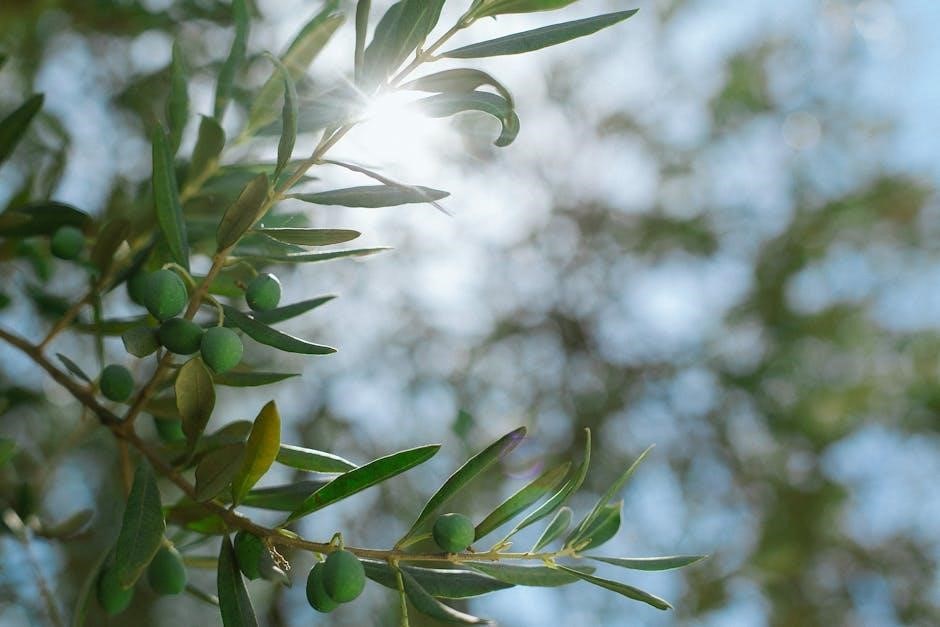
The allegory details grafting wild branches onto the cultivated olive tree‚ a deliberate act by the master to enhance the tree and improve its overall fruitfulness.
Grafting in Wild Branches
Within the allegory‚ the master of the vineyard actively initiates the process of grafting in wild branches onto the established‚ cultivated olive tree. This isn’t a random act‚ but a purposeful intervention designed to address the tree’s declining condition and potential for greater productivity. The wild branches represent those outside the covenant‚ initially considered less desirable.
However‚ the master’s intent is to see if these wild branches can be nourished and brought into the fold‚ ultimately contributing to the overall health and fruitfulness of the entire tree. This grafting symbolizes the inclusion of others‚ offering a chance for growth and participation in the blessings of the covenant.
The Purpose of Grafting: Improving the Tree
The master’s primary objective in grafting wild branches isn’t merely to add to the tree’s size‚ but to fundamentally improve its quality and yield. He seeks to revitalize the olive tree‚ hoping the wild branches‚ when nourished‚ will produce good fruit and contribute to the vineyard’s overall abundance. This act demonstrates a proactive approach to addressing the tree’s imperfections.
It’s a deliberate attempt to enhance the tree’s potential‚ showcasing the master’s care and foresight. The grafting process represents a hopeful endeavor‚ aiming for a more fruitful and flourishing future for the entire olive tree and‚ symbolically‚ for all of Israel.
The Reactions of the Natural Branches
Initially‚ the natural branches exhibit resistance and discontent towards the grafting of wild branches onto their tree. They express anxieties about being overshadowed or diminished in importance‚ fearing a loss of their inherent privileges and established position within the vineyard. This reaction highlights a sense of pride and a reluctance to share the tree’s resources.
Their responses reveal a lack of understanding regarding the master’s overarching plan for improvement. The natural branches struggle to accept the inclusion of others‚ demonstrating a need for humility and a broader perspective on the vineyard’s collective well-being.
Cycles of Observation and Labor
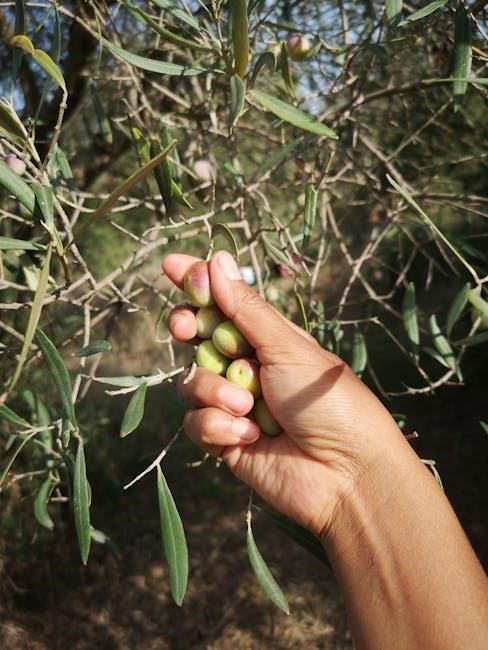
Throughout the allegory‚ the master and his servant repeatedly visit the vineyard‚ meticulously assessing the olive tree’s condition and diligently applying labor to nurture its growth.
First Visit to the Vineyard
During the initial visit‚ the Lord of the vineyard and his servant observe the olive tree’s disheartening state – it is extensively decayed and nearly lost to ruin. The tree exhibits signs of significant neglect and barrenness‚ prompting deep concern from the master.
He expresses dismay over the tree’s condition‚ lamenting the wasted effort previously invested. This initial assessment sets the stage for the subsequent cycles of labor‚ pruning‚ digging‚ and nourishing‚ all aimed at revitalizing the struggling olive tree and restoring its potential for fruitfulness. The master’s concern is palpable‚ initiating a period of intensive care.
Second Visit and Assessment
Upon their second visit to the vineyard‚ the Lord and his servant reassess the olive tree’s progress. While some improvement is noted due to the initial pruning and nurturing‚ the tree remains largely unproductive and continues to exhibit signs of weakness.
The master expresses continued concern‚ acknowledging the labor invested but lamenting the lack of substantial fruit. This prompts further deliberation and a renewed commitment to intensive care‚ including additional digging‚ nourishing‚ and careful observation to determine the best course of action for the tree’s recovery.
Third Visit and Continued Labor
The third visit reveals a mixed assessment; some branches show signs of life and potential‚ while others remain barren or diseased. The master‚ though showing patience‚ expresses a need for more decisive action to save the entire tree from complete ruin.
This prompts a continuation of the intensive labor‚ with the servant diligently following the master’s instructions. Further pruning‚ digging‚ and nourishing are undertaken‚ alongside a focused effort to identify and address the root causes of the tree’s ongoing struggles‚ demonstrating unwavering dedication to its restoration.
The Fruit of the Olive Tree
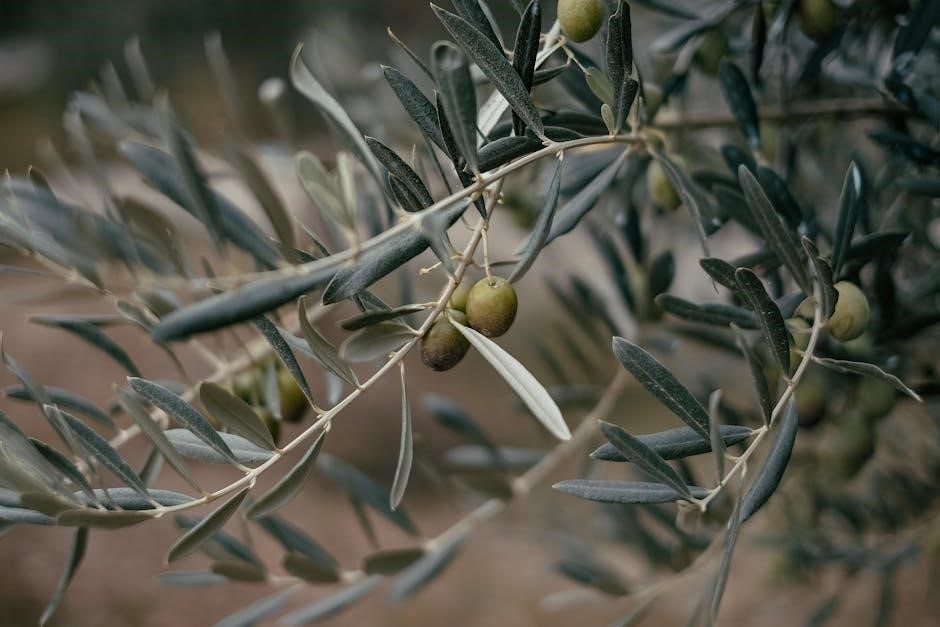
The allegory emphasizes the crucial distinction between “good fruit” and “bad fruit‚” symbolizing righteousness and unrighteousness‚ respectively‚ and highlighting fruit production’s importance.
Good Fruit vs. Bad Fruit
Within the allegory‚ the quality of the fruit produced by the olive tree serves as a powerful indicator of spiritual condition. “Good fruit” represents obedience‚ faith‚ and a covenant relationship with the Lord‚ signifying a life aligned with His will and commandments.
Conversely‚ “bad fruit” symbolizes unrighteousness‚ disobedience‚ and a departure from the covenant path. The master of the vineyard consistently evaluates the fruit‚ determining whether the tree is worthy of continued nourishment and preservation. This distinction underscores the importance of personal accountability and the consequences of choices.
Ultimately‚ the allegory teaches that genuine faith manifests itself in righteous actions‚ yielding fruit that glorifies God.
Representing Righteousness and Unrighteousness
The allegory vividly portrays righteousness and unrighteousness through the contrasting outcomes of the olive tree’s branches. Branches producing good fruit embody faithfulness‚ covenant keeping‚ and a dedication to divine principles‚ reflecting a righteous state before God.
Conversely‚ branches yielding bad fruit symbolize rebellion‚ apostasy‚ and a rejection of God’s commandments‚ representing unrighteousness. The master’s judgment upon the fruit directly correlates to the spiritual condition of those represented by the branches;
This symbolic representation emphasizes the eternal consequences of choices and the importance of striving for spiritual purity.
The Importance of Fruit Production
Fruit production within the allegory isn’t merely agricultural; it’s a crucial indicator of spiritual vitality and covenant adherence. The master consistently evaluates the tree based on its fruit‚ signifying God’s judgment upon His people’s faithfulness.
Abundant‚ good fruit demonstrates a thriving relationship with God‚ reflecting obedience and righteousness. Conversely‚ a lack of fruit‚ or the presence of bad fruit‚ signals spiritual decline and a need for repentance and renewal.
Ultimately‚ the allegory stresses that genuine faith manifests in righteous actions and a commitment to bearing good fruit for the Lord.

Symbolism and Meaning
The olive tree embodies Israel‚ while the vineyard represents the world‚ and grafting symbolizes the inclusion of Gentiles into God’s covenant family.
The Olive Tree as a Symbol of Israel
Throughout the allegory‚ the olive tree consistently represents the house of Israel‚ embodying its history‚ struggles‚ and eventual flourishing under the Lord’s care. Initially‚ the tree is in a state of decay‚ mirroring Israel’s spiritual decline and unfaithfulness.
However‚ the Master’s diligent efforts – pruning‚ digging‚ and nourishing – symbolize God’s persistent attempts to restore and strengthen His covenant people. The tree’s eventual production of good fruit signifies Israel’s ultimate redemption and faithfulness‚ fulfilling its divine purpose. This symbolism underscores the enduring relationship between God and Israel.
The Vineyard as the World
Within the allegory‚ the vineyard transcends a literal orchard‚ functioning as a powerful symbol for the entire world and all of God’s creations. The Master of the vineyard‚ representing Jesus Christ‚ oversees this world‚ tending to its inhabitants and striving for their spiritual growth.
The condition of the vineyard—initially barren and decaying—reflects the state of humanity estranged from God. The labor invested in the vineyard‚ including pruning and grafting‚ symbolizes Christ’s Atonement and His efforts to gather and redeem all of mankind.
The Grafting as the Inclusion of Gentiles
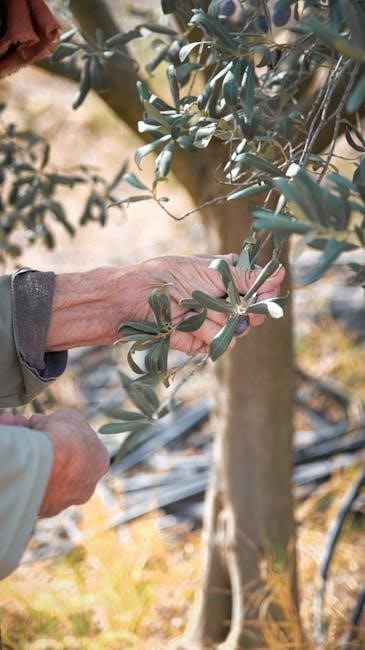
The grafting of wild branches onto the olive tree beautifully illustrates the inclusion of the Gentiles into the covenant people of God. These “wild” branches‚ initially separate‚ are brought into the fold‚ sharing in the nourishment and blessings promised to Israel.
This process isn’t about replacing the natural branches‚ but rather expanding the reach of the covenant‚ offering salvation to all who will accept it. The allegory emphasizes God’s universal love and His desire for all His children to return to Him‚ regardless of their origin.
Interpretations and Theological Significance
The allegory profoundly impacts understanding the gathering of Israel‚ the enduring nature of the covenant‚ and the vital roles of faith and sincere repentance.
The Allegory and the Gathering of Israel
The allegory of the olive tree provides a compelling framework for understanding the Lord’s ongoing work to gather Israel in the latter days. The grafting of wild branches symbolizes the inclusion of the Gentiles into the covenant‚ while the nurturing of the natural branches represents the restoration of the house of Israel.
This process isn’t merely about numerical increase‚ but a spiritual transformation‚ uniting both those originally covenanted and those newly grafted in‚ fostering a unified people prepared for Christ’s return. The allegory emphasizes God’s inclusive love and His desire for all His children to partake of His blessings.
The Role of the Covenant
The covenant plays a central role within the allegory of the olive tree‚ representing the enduring relationship between God and His people. The natural branches symbolize those initially included in the covenant – the house of Israel – while the grafting of wild branches signifies extending covenant blessings to the Gentiles.
However‚ the allegory also illustrates that covenant membership requires bearing good fruit‚ representing righteousness and obedience. Failure to do so risks being pruned or cast away. Ultimately‚ the covenant is a pathway to spiritual growth and eternal life‚ contingent upon faithfulness and diligent effort.
The Importance of Faith and Repentance
Within the allegory‚ faith and repentance are implicitly vital for both natural and wild branches to thrive. The master’s diligent labor – pruning‚ digging‚ and nourishing – represents divine intervention‚ but requires responsive action from the trees.
Wild branches must be grafted in through faith‚ accepting the covenants and embracing a changed life. Natural branches‚ when unproductive‚ need repentance to avoid being cast off. Bearing good fruit symbolizes a faithful‚ repentant heart‚ demonstrating a commitment to God’s will and securing continued blessings.
Modern Relevance of the Allegory
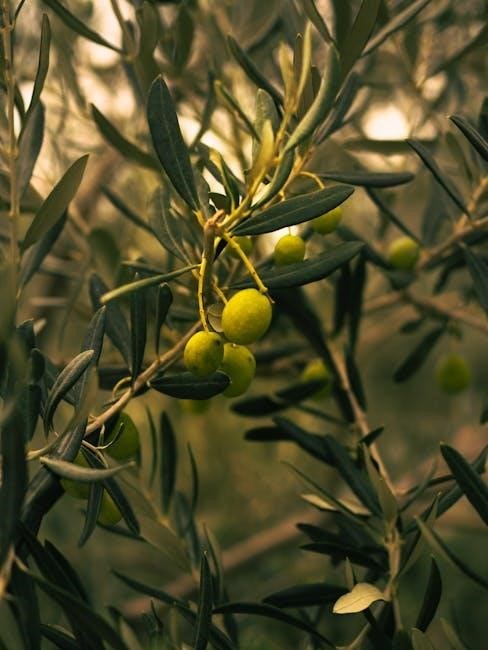
The allegory illuminates God’s ongoing work‚ encompassing the gathering of Israel and extending His plan to all mankind‚ urging continued faith and discipleship today.
Application to the Church Today
The allegory powerfully resonates within the Church today‚ reminding us of the constant need for spiritual nurturing and diligent labor in God’s vineyard.
We‚ as members‚ are branches needing consistent pruning through repentance and strengthened by nourishing gospel principles. The ongoing effort to gather scattered Israel mirrors the grafting process‚ welcoming all who accept Christ.
Like the servant’s repeated visits‚ leaders continually assess and address the needs of the Church‚ striving for increased righteousness and fruitful contributions.
Ultimately‚ the allegory calls us to examine our own fruit‚ ensuring it reflects genuine faith and a commitment to God’s covenant.
Understanding God’s Plan for All Mankind
The allegory of the olive tree beautifully illustrates God’s expansive plan encompassing all of humanity‚ extending beyond the original covenant people of Israel.
The grafting of wild branches symbolizes the inclusion of Gentiles into the covenant‚ demonstrating God’s love and desire for all His children to partake of His blessings.
This inclusion isn’t a replacement‚ but an enlargement of the vineyard‚ enriching the whole through diversity and shared faith;
God’s plan provides opportunities for all to become part of His chosen people through repentance and obedience to His commandments.
The Continuing Work of the Vineyard
The allegory emphasizes that the Lord’s work in the vineyard is ongoing‚ a continuous cycle of labor‚ observation‚ and refinement‚ mirroring missionary work today.
Just as the master and servant repeatedly visited the vineyard‚ we are called to diligently seek out and nurture those who need the gospel message.
Pruning‚ digging‚ and nourishing represent our efforts to help others overcome challenges and grow spiritually‚ fostering righteous fruit production.
The allegory reminds us that the vineyard’s success depends on consistent effort and unwavering faith in the Lord’s plan.
Resources for Further Study
Explore Gospel Doctrine manuals‚ scholarly articles‚ and BYU Studies publications for in-depth analysis of Jacob 5 and its rich symbolism.
Gospel Doctrine Manuals
Gospel Doctrine lesson manuals offer accessible and doctrinally sound explanations of the Allegory of the Olive Tree‚ designed for Sunday School teachers and students alike.
These manuals provide context‚ insights into the symbolism‚ and explore the historical and theological significance of Jacob 5‚ drawing upon prophetic teachings and scriptural understanding.
They often include discussion questions and teaching suggestions to facilitate a deeper comprehension of Zenos’s allegory and its relevance to the house of Israel’s history and future.
Accessing these resources can greatly enhance personal study and classroom instruction‚ fostering a more profound appreciation for this pivotal scripture.
Scholarly Articles on Jacob 5
Numerous scholarly articles delve into the complexities of Jacob 5‚ offering in-depth analyses of the Allegory of the Olive Tree from various academic perspectives.
These publications often explore the allegory’s literary structure‚ historical context‚ and theological implications‚ examining its connections to ancient Near Eastern agricultural practices and covenant theology.
Researchers investigate the symbolism of the vineyard‚ the tree‚ and the grafting process‚ providing nuanced interpretations of Zenos’s prophetic vision and its enduring relevance.
Accessing these articles can enrich understanding beyond standard curriculum materials‚ offering a broader scope of scholarly insight.
BYU Studies Articles
BYU Studies Quarterly has consistently featured insightful articles dedicated to exploring the rich symbolism and theological depth of Jacob 5‚ the Allegory of the Olive Tree.
These publications often present original research‚ examining the allegory’s connections to the Book of Mormon’s overarching themes and its implications for understanding God’s covenant with Israel.
Scholars affiliated with BYU contribute detailed analyses of the allegory’s literary features‚ historical background‚ and enduring relevance to contemporary discipleship.
Accessing these articles provides a valuable resource for in-depth study and spiritual enrichment.