
Dental Fee Guide 2026: A Comprehensive Overview
This guide details French dental fees in 2026‚ focusing on the “conventionné” system and national schedules.
It covers conservative care‚ prosthetics‚ and the 2023-2028 national convention’s impact on costs and reimbursements.
Understanding these regulations is crucial for patients and practitioners alike‚ ensuring transparent and predictable dental expenses;
Understanding “Conventionné” Dentists and Fee Schedules
The term “dentiste conventionné” is central to understanding dental costs in France. Often mistakenly referred to as “secteur 1‚” there is‚ in fact‚ only one national fee schedule – the “tarif de convention” – applicable to all dentists adhering to the national health insurance system. Opting for a conventionné dentist signifies agreement to abide by these regulated fees‚ impacting both the cost of treatment and the level of reimbursement from the Assurance Maladie (national health insurance).
This system isn’t about tiered quality of care; rather‚ it’s a framework for price control‚ particularly concerning essential preventative and conservative treatments. Dentists who choose not to participate – those operating “en secteur 2” – are free to set their own fees‚ potentially exceeding the established convention rates. However‚ patients choosing a non-conventionné dentist will typically face a higher “reste à charge” (remaining cost) after reimbursement.
The core principle is accessibility. By adhering to the national schedule‚ conventionné dentists facilitate predictable costs and ensure a baseline level of affordability for patients. The framework prioritizes essential care‚ with specific regulations governing procedures like scaling‚ examinations‚ and dental prosthetics‚ all designed to balance quality and cost-effectiveness within the French healthcare system.
The Single National Fee Schedule (Tarif de Convention)
The “Tarif de Convention” represents the standardized pricing structure for dental procedures in France‚ established and regulated by the Assurance Maladie. This single schedule eliminates ambiguity and ensures consistent pricing across all dentists who participate in the national health insurance system – the conventionné dentists. It’s crucial to understand that despite colloquialisms‚ there isn’t a separate “secteur 1” tariff; it’s universally the “tarif de convention.”
This schedule isn’t a blanket rate for all services. It’s a detailed list assigning specific codes and corresponding fees to hundreds of dental acts. The primary focus of price controls within this schedule lies on preventative and conservative treatments‚ deemed essential for maintaining oral health. These include procedures like routine check-ups‚ scaling (détartrage)‚ fillings‚ and preventative treatments.
While the Tarif de Convention provides a framework‚ it’s subject to periodic revisions and updates‚ as evidenced by the 2023-2028 national convention. These adjustments aim to reflect evolving dental practices‚ technological advancements‚ and economic factors‚ ensuring the schedule remains relevant and sustainable for both dentists and patients.
Core Conservative and Preventative Care: Price Controls

The French national health system prioritizes preventative and conservative dental care‚ reflected in stringent price controls applied to these essential services. This means the Tarif de Convention meticulously regulates the fees dentists can charge for treatments aimed at preventing dental issues and addressing them in their early stages. This approach aims to reduce the need for more costly and complex interventions later on.
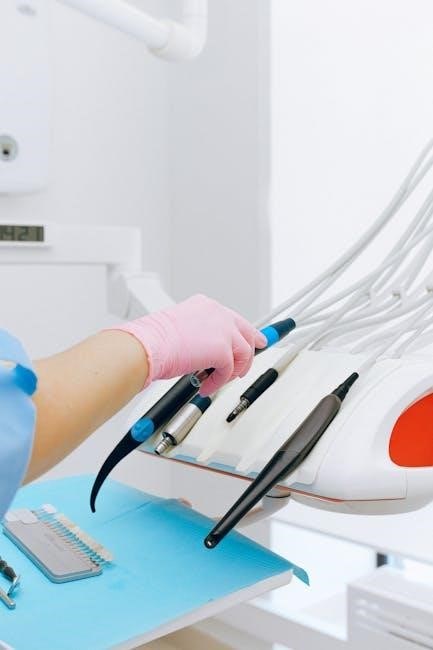
Specifically‚ procedures falling under this category include routine dental examinations‚ professional teeth cleaning (scaling or détartrage)‚ fillings for cavities‚ root canal treatments‚ and preventative measures like fluoride applications. For these core services‚ the reimbursement rates from the Assurance Maladie are typically high‚ often leading to a minimal “reste à charge” (remaining cost) for the patient‚ especially when combined with supplemental health insurance (mutuelle).
These price controls are not arbitrary; they are regularly reviewed and adjusted through national dental conventions‚ like the 2023-2028 agreement‚ to ensure fairness and sustainability within the dental healthcare system. The goal is to maintain accessibility to essential dental care for all citizens.
Specific Regulations for Dental Prosthetics
Dental prosthetics – encompassing crowns‚ bridges‚ and dentures – are subject to a distinct set of regulations within the French dental fee structure. Unlike core conservative care‚ prosthetic fees aren’t entirely fixed‚ but operate under a controlled framework designed to balance affordability and quality.
The Tarif de Convention establishes base rates for different types of prosthetics‚ categorized into “paniers” (baskets) based on materials and complexity. Dentists are permitted to charge fees above these base rates‚ but these additional charges are subject to limitations and must be clearly communicated to the patient. Reimbursement levels from the Assurance Maladie vary depending on the prosthetic type and the patient’s coverage.
A key development within the 2023-2028 national convention focuses on aligning prosthetic act fees‚ particularly for beneficiaries of the Complémentaire santé solidaire (CSS)‚ with the rates within the 100% coverage baskets. This aims to improve access to essential prosthetic treatments for vulnerable populations‚ reducing financial barriers to care and ensuring equitable access to dental restoration.
2023-2028 National Dental Convention: Key Changes
The 2023-2028 National Dental Convention introduces several structural changes impacting both dentists and patients in France. A core focus is the phased implementation of new measures throughout 2025 and 2026‚ aiming to modernize the dental care system and improve access to quality treatments;
Significant changes include the revalorization of buccal examinations‚ with a notable increase in fees for both simple examinations and those incorporating radiography. Specifically‚ the simple examination fee rises from 30€ to 40€‚ while enhanced examinations with 1-2 radiographs see a rise from 42€ to 52€‚ and those with 3-4 radiographs from 54€ to 64€.
Furthermore‚ the convention prioritizes enhanced preventative care and aims to streamline processes. A crucial element is the alignment of prosthetic act fees for Complémentaire santé solidaire (CSS) beneficiaries with the 100% coverage baskets‚ reducing out-of-pocket expenses. These changes collectively represent a significant shift towards a more equitable and preventative-focused dental healthcare landscape.
Implementation Timeline of Convention Measures (2025-2026)
The rollout of the 2023-2028 National Dental Convention’s measures is strategically phased across 2025 and 2026‚ ensuring a smooth transition for dental professionals and minimizing disruption to patient care. The initial phase in 2025 focuses on preparatory steps and the gradual introduction of certain provisions.
Key changes‚ such as the increased fees for buccal examinations – moving from 30€ to 40€ for simple exams and adjustments to radiography-inclusive exams – are slated for full implementation by 2026. Simultaneously‚ the alignment of prosthetic act fees for Complémentaire santé solidaire (CSS) beneficiaries with 100% coverage plans will be fully operational.
This staggered approach allows dentists time to adapt to the new fee schedules and billing procedures. The timeline also facilitates the effective integration of these changes within existing dental practice management systems. Regular updates and guidance from ameli.fr will be crucial throughout this period‚ ensuring all stakeholders are well-informed and prepared.
Alignment of Prosthetic Act Fees with 100% Coverage Plans
A significant aspect of the 2023-2028 National Dental Convention centers on enhancing access to dental prosthetics for beneficiaries of the Complémentaire santé solidaire (CSS). This is achieved through the alignment of prosthetic act fees with the rates applicable under 100% coverage plans. Historically‚ CSS beneficiaries often faced substantial out-of-pocket expenses for essential restorative work like crowns‚ bridges‚ and dentures.
This alignment effectively eliminates‚ or significantly reduces‚ the reste à charge (remaining cost) for these patients‚ ensuring they can receive necessary prosthetic treatments without facing prohibitive financial barriers. The change impacts the pricing structure for various prosthetic procedures‚ bringing CSS reimbursement levels in line with those enjoying comprehensive health insurance.
This measure represents a key step towards greater equity in dental care access‚ particularly for vulnerable populations. It underscores the commitment to ensuring that financial circumstances do not impede individuals from receiving vital dental restorations‚ improving both oral health and overall well-being.
Revalorization of Buccal Examinations
A core component of the 2023-2028 National Dental Convention involves a substantial revalorization of buccal (oral) examinations‚ recognizing their critical role in preventative dental care and early disease detection. This adjustment directly impacts the fees associated with both simple and enhanced examination procedures‚ benefiting both patients and dental professionals.
Specifically‚ the fee for a simple examination has been increased from 30€ to 40€‚ representing a significant 33% rise. Enhanced examinations‚ which incorporate radiographic imaging‚ have also seen corresponding increases. Examinations utilizing one to two radiographs are revalorized from 42€ to 52€‚ while those employing three to four radiographs increase from 54€ to 64€.
These adjustments aim to incentivize thorough examinations and encourage patients to prioritize regular check-ups. By increasing the financial recognition of these preventative services‚ the convention seeks to shift the focus towards proactive oral health management‚ ultimately reducing the need for more costly and invasive treatments down the line.
Simple Examination Fee Increase (From 30€ to 40€)
The most immediately noticeable change within the 2023-2028 National Dental Convention is the direct increase in the fee for a standard‚ simple buccal examination. Previously priced at 30€‚ this foundational service now costs 40€‚ representing a substantial 33.3% adjustment to the established tariff. This change is a key element in the broader revalorization of preventative dental care.
This increase isn’t merely a numerical adjustment; it reflects a policy shift towards recognizing the importance of routine check-ups in maintaining oral health. A simple examination forms the basis of preventative dentistry‚ allowing dentists to identify potential issues early‚ before they escalate into more complex and expensive problems.
For patients‚ this means a slightly higher out-of-pocket cost for a basic check-up. However‚ it’s anticipated that supplemental health insurance (“mutuelles”) will cover a significant portion of this increase‚ minimizing the financial impact. The overall goal is to encourage more frequent and thorough preventative care visits.
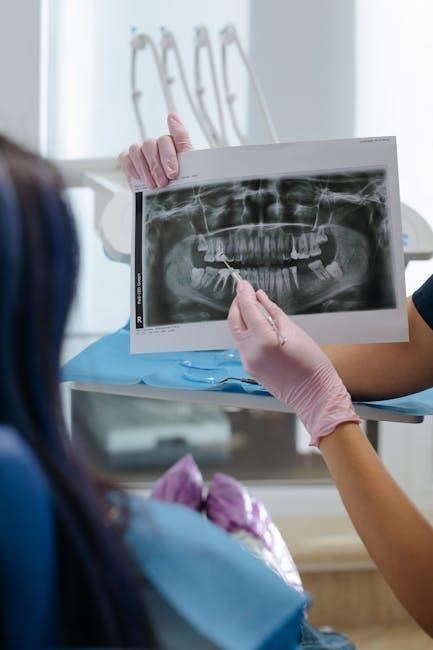
Enhanced Examination Fees with Radiography (1-2 Radiographies)
Alongside the standard examination fee increase‚ the 2023-2028 National Dental Convention also introduces revised pricing for enhanced examinations incorporating radiographic imaging. Specifically‚ examinations utilizing one to two radiographs have seen a revalorization‚ moving from a previous fee of 42€ to a new fee of 52€. This 23.8% increase acknowledges the added diagnostic value provided by these imaging techniques.
The inclusion of radiographs allows dentists to gain a more comprehensive understanding of a patient’s oral health‚ identifying issues not visible during a visual examination alone – such as hidden cavities‚ bone loss‚ or impacted teeth. This leads to more accurate diagnoses and tailored treatment plans.
Patients undergoing these enhanced examinations will experience a higher base cost‚ but the improved diagnostic capabilities justify the expense. Reimbursement rates from the national health insurance (“Assurance Maladie”) and supplemental insurance (“mutuelles”) are expected to adjust accordingly‚ mitigating the financial burden. This change underscores the convention’s commitment to advanced diagnostic practices.
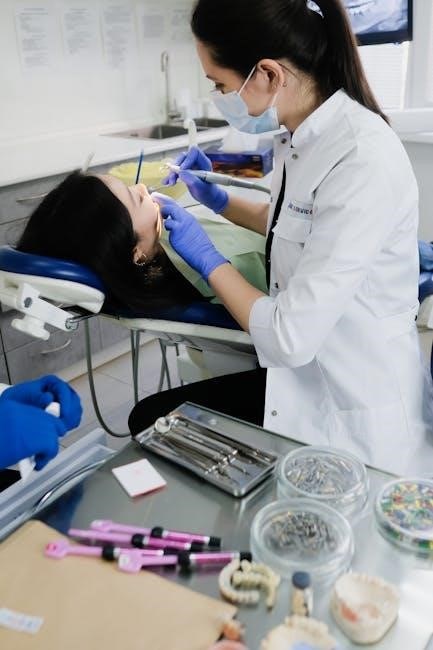
Enhanced Examination Fees with Radiography (3-4 Radiographies)
For the most comprehensive diagnostic assessments‚ the National Dental Convention of 2023-2028 outlines specific fee adjustments for examinations incorporating three to four radiographs. These examinations‚ providing the most detailed view of the oral cavity‚ now carry a fee of 64€‚ representing a significant increase from the previous 54€. This represents a substantial 18.5% revalorization.
Utilizing multiple radiographs allows dentists to assess complex dental structures‚ identify subtle pathologies‚ and plan intricate treatments with greater precision. This is particularly crucial in cases involving extensive restorative work‚ orthodontic evaluations‚ or the investigation of persistent pain. The enhanced detail provided minimizes diagnostic uncertainty.
While the cost is higher‚ the benefits of a thorough radiographic examination are considerable. Patients should anticipate adjusted reimbursement levels from both the national health insurance and their supplemental health insurance providers. This fee structure reflects the convention’s prioritization of accurate diagnosis and effective treatment planning through advanced imaging techniques‚ ultimately improving patient care.
Cost of Dental Care in France: Examples

Understanding the actual costs of dental procedures is vital for budgeting and planning. A standard detartrage‚ or scaling‚ procedure is currently priced at 28.92€. With the Assurance Maladie reimbursing 70% of this cost‚ amounting to 20.24€‚ the patient’s “reste à charge” – the out-of-pocket expense – is approximately 8.68€. This illustrates the typical cost-sharing arrangement under the French system.
However‚ these figures are merely examples. The final cost can vary based on the dentist’s location‚ the complexity of the case‚ and any additional procedures required. For instance‚ a simple dental examination now costs 40€‚ up from 30€‚ while examinations with 1-2 radiographs are priced at 52€‚ and those with 3-4 radiographs reach 64€.
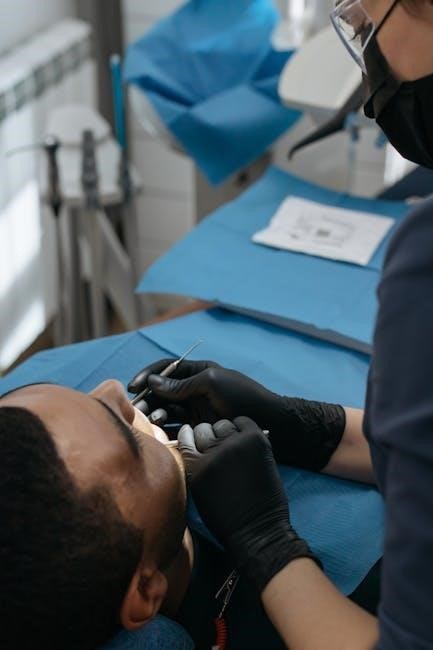
These examples demonstrate the tiered pricing structure and the importance of understanding the reimbursement rates. Supplemental health insurance (“mutuelle”) plays a crucial role in minimizing the “reste à charge”‚ often covering a significant portion or even the entirety of remaining costs‚ depending on the policy’s coverage level.
Detartrage (Scaling) Costs and Reimbursement
Detartrage‚ commonly known as scaling‚ is a preventative dental procedure crucial for maintaining oral health. In France‚ as of 2026‚ the standard fee charged by a “dentiste conventionné” for detartrage is 28.92€. This price is regulated under the national fee schedule‚ ensuring consistency across the country.
The French national health insurance system‚ Assurance Maladie‚ provides a reimbursement of 70% for detartrage. This translates to a reimbursement amount of 20.24€‚ leaving a remaining cost‚ or “reste à charge”‚ for the patient. Therefore‚ patients can expect to pay approximately 8.68€ out-of-pocket for this essential preventative treatment.
It’s important to note that this calculation assumes a standard detartrage procedure. More complex cases‚ or those requiring additional interventions‚ may incur higher costs. Furthermore‚ the presence of supplemental health insurance (“mutuelle”) can significantly reduce or even eliminate this remaining cost‚ depending on the level of coverage provided by the individual’s policy.
Patient Out-of-Pocket Costs for Detartrage
Determining the actual out-of-pocket expense for detartrage in France requires considering several factors beyond the base fee and Assurance Maladie reimbursement. While the standard detartrage cost is 28.92€ and reimbursement is 70% (20.24€)‚ leaving a 8.68€ “reste à charge”‚ this is often not the final amount paid by the patient.
The primary influence on this final cost is the presence of a “mutuelle” (supplemental health insurance). Many mutuelles offer varying levels of coverage for dental procedures‚ potentially covering the entire remaining 8.68€‚ resulting in zero out-of-pocket costs. Policies with 100% coverage for detartrage are increasingly common.
However‚ mutuelles with partial coverage will reduce the “reste à charge” proportionally. Without a mutuelle‚ the 8.68€ remains the patient’s responsibility. It’s crucial for patients to understand their mutuelle’s specific coverage details regarding detartrage to accurately estimate their individual expenses. Checking with your mutuelle provider is highly recommended before undergoing the procedure.
Impact of “Complémentaire Santé Solidaire” (CSS)
The “Complémentaire Santé Solidaire” (CSS) plays a significant role in dental care accessibility for eligible individuals in France. This program aims to reduce financial barriers to essential healthcare‚ including dental treatments. A key aspect of the 2023-2028 national dental convention is the alignment of prosthetic act fees for CSS beneficiaries with the 100% coverage plans.
This alignment means that individuals covered by CSS can now access prosthetic dental work – such as crowns‚ bridges‚ and dentures – with significantly reduced or even eliminated out-of-pocket costs. Previously‚ these procedures often represented a substantial financial burden. The CSS effectively covers the “reste à charge” that remained after the Assurance Maladie reimbursement.
This change is a major benefit for CSS recipients‚ improving their access to necessary dental care and promoting better oral health. Eligibility for CSS is based on income levels‚ and the program is designed to support those with limited financial resources. It’s a vital component of the French healthcare system’s commitment to equitable access.
CSS Beneficiary Access to 100% Coverage
A cornerstone of the 2023-2028 dental convention is the expanded 100% coverage for CSS (Complémentaire Santé Solidaire) beneficiaries. This initiative dramatically improves access to dental care for individuals with limited financial means‚ specifically concerning prosthetic treatments. Prior to these changes‚ significant “reste à charge” (remaining costs) often prevented CSS recipients from receiving essential dental work.
The alignment of prosthetic act fees with the 100% coverage plans means that eligible patients now have their costs fully covered for procedures like crowns‚ bridges‚ and dentures. This eliminates a major financial obstacle and promotes preventative care‚ reducing the need for more complex and expensive treatments later on. The focus is on ensuring equitable access to quality dental services.
This policy change represents a substantial investment in public health‚ recognizing the link between oral health and overall well-being. CSS beneficiaries should confirm their eligibility and understand the specific procedures covered under the 100% coverage scheme with their dental provider and the Assurance Maladie.
The Role of “Mutuelles” (Supplemental Health Insurance)
“Mutuelles‚” or supplemental health insurance plans‚ play a vital role in the French dental care system‚ bridging the gap between social security coverage and the total cost of treatment. While the Sécurité Sociale reimburses a portion of dental expenses‚ mutuelles are designed to reduce the “reste à charge” – the amount patients pay out-of-pocket.
These plans offer varying levels of coverage‚ ranging from basic options that cover a small percentage of remaining costs to comprehensive policies that cover nearly all expenses‚ including those not fully reimbursed by social security. The level of coverage directly impacts a patient’s financial burden‚ particularly for more complex procedures like prosthetics.
Choosing a mutuelle that aligns with individual dental needs is crucial. Many plans offer specific benefits for preventative care‚ orthodontic treatment‚ or specialized procedures. Patients should carefully compare policies to find the best value and ensure adequate coverage for their anticipated dental expenses‚ especially considering the evolving fee schedules and reimbursement rates.
Reducing “Reste à Charge” (Remaining Costs) with Mutuelles
Mutuelles significantly diminish the “reste à charge”‚ the portion of dental costs patients must pay after social security reimbursement. The extent of reduction depends heavily on the chosen mutuelle plan and the specific dental act. For routine procedures like detartrage (scaling)‚ a mutuelle can often eliminate the patient’s out-of-pocket expense entirely.
However‚ for more substantial treatments – particularly dental prosthetics – mutuelles are essential in mitigating high costs. The 2023-2028 convention aims to align prosthetic act fees with 100% coverage plans for CSS beneficiaries‚ but even with this alignment‚ a mutuelle can provide additional financial relief for those not eligible for CSS or seeking broader coverage.
Patients should review their mutuelle’s coverage details‚ paying attention to reimbursement percentages for different types of dental work. Understanding these specifics allows for informed decisions about treatment options and budgeting for potential out-of-pocket expenses‚ maximizing the benefits of supplemental health insurance.
Future Trends in Dental Fee Regulation
The dental fee landscape in France is evolving‚ driven by the 2023-2028 national convention and a growing emphasis on preventative care. Continued revalorization of buccal examinations‚ as seen with the increase from 30€ to 40€ for simple exams‚ signals a shift towards early detection and reduced need for costly interventions.
Further alignment of prosthetic act fees with 100% coverage plans‚ particularly for beneficiaries of the Complémentaire Santé Solidaire (CSS)‚ is anticipated. This aims to improve access to essential dental care for vulnerable populations. However‚ maintaining a balance between affordability and ensuring adequate remuneration for dentists remains a key challenge.
Digitalization and the integration of new technologies are also likely to influence future regulations. Potential adjustments to fee schedules to accommodate innovative treatments and diagnostic tools are foreseeable. Monitoring the impact of the current convention and adapting to changing healthcare needs will be crucial for sustainable and equitable dental care access.